Poster Frames: Size, Wood or Metal Guide
How to choose poster frames: match the size to your print, pick wood or black metal for your room, and hang it at a height that feels right.
Quick answer
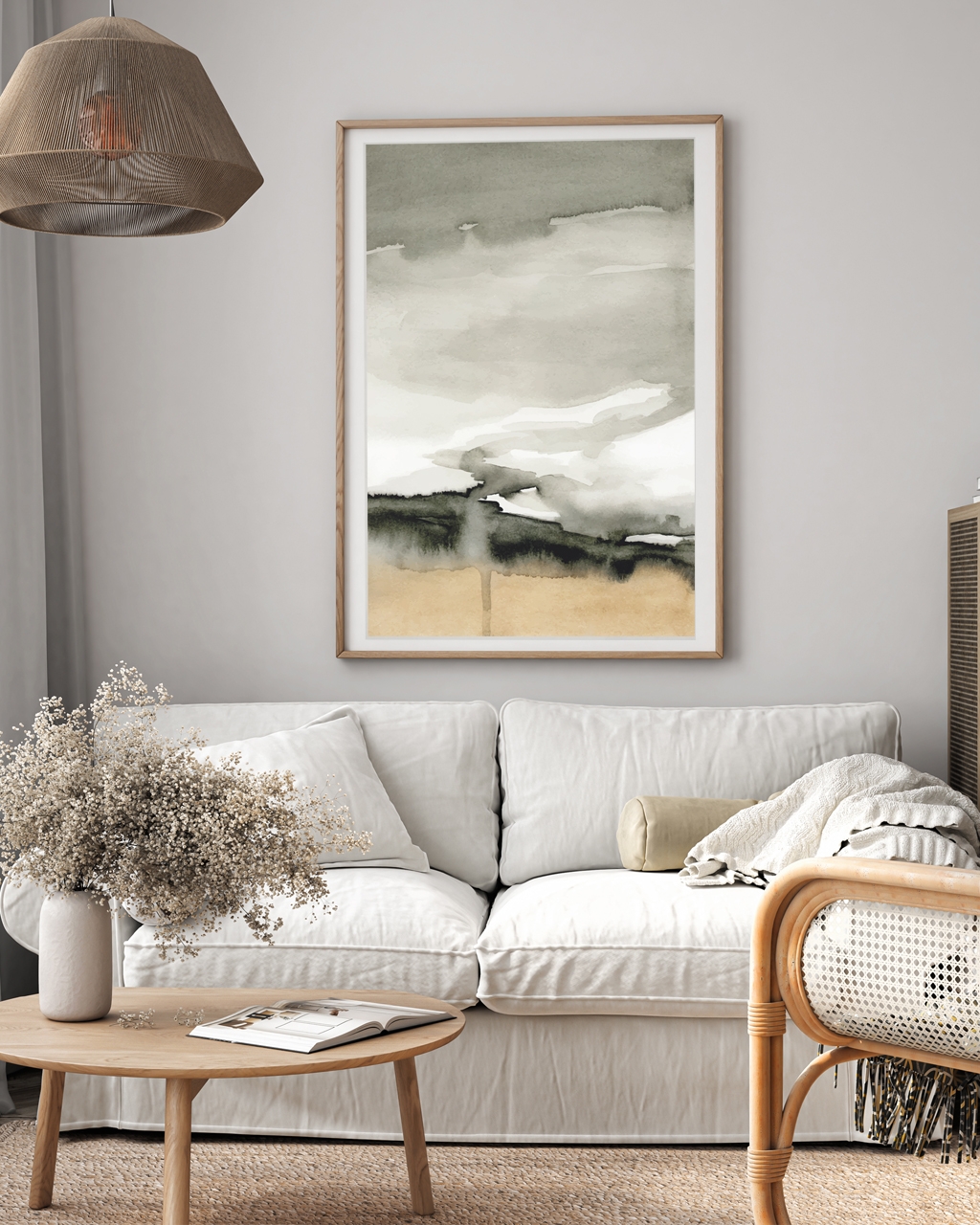
Choose poster frames by matching the frame to the exact poster size first, then choose the finish that suits your furniture and print. A wooden frame feels softer and works well with oak, beige, warm white, natural textiles and Scandinavian interiors. A black metal frame gives a cleaner outline and suits monochrome prints, dark wood furniture, graphic art and rooms that need contrast.
Most NordicPosterStore posters can be ordered with an optional matching frame. Wooden frames come either ready to hang, with the poster already mounted, or unassembled if you prefer to frame it yourself. Our posters come in 7 sizes from 21x30 cm (8x12 in) to 70x100 cm (28x39 in), though not every design comes in every size.
Quick links
- What you will learn
- What you need
- Step 1: Measure the poster and the wall
- Step 2: Match poster frame sizes to the print
- Step 3: Choose wood or black metal poster frames
- Step 4: Decide ready-to-hang or unassembled
- Step 5: Check white border, edge-to-edge print or mount
- Step 6: Match the frame to your furniture
- Step 7: Hang the frame at the right height
- Best practices
- Common mistakes
- Frequently asked questions
What you will learn
By the end of this guide, you will be able to:
- Choose the right frame size for every NordicPosterStore poster size.
- Decide when a wooden frame looks better than a black metal frame.
- Match frames to oak, dark wood, white walls and colorful prints.
- Understand ready-to-hang versus unassembled framing.
- Know when a white border is enough and when a separate mount changes the look.
- Avoid the common sizing and hanging mistakes that make wall art feel slightly off.
Quick comparison: wood vs black metal poster frames
Use this quick comparison before you start. It is not a ranking of shops or brands. It is a product-type comparison, based on what most affects the final look: frame weight, contrast, furniture tone, print style and room mood.
- Wooden frames: Best when you want warmth, softness and a natural link to oak, ash, beige, linen, rattan or pale floors. They are a strong choice for botanical prints, nature posters, soft abstracts, kitchen art and Scandinavian posters.
- Black metal frames: Best when you want a sharp outline, slim contrast and a more graphic look. They work especially well with black and white prints, typography, bold abstract posters and darker furniture.
- White border inside the print: Best when you want an airy look without buying a separate mount. Most NordicPosterStore designs already include a white border printed around the artwork, while some print edge to edge.
- Passe-partout from another supplier: Best when you want a deeper framed look around a smaller print. A passe-partout, also called a mount, is a card border between the print and the plexiglass front of the frame. NordicPosterStore does not sell passe-partouts.
The short version: choose wood for warmth, black metal for contrast, and the same frame size as the poster unless you are adding a separate mount from somewhere else.
Introduction
The frame is often the part people choose last, but it changes how the poster feels on the wall. The same print can look quiet and soft in wood, sharper in black metal, more spacious with a white border, or bolder when printed edge to edge.
This matters because framed wall art never hangs on its own. It sits next to your sofa, bed, kitchen table, hallway mirror, shelving and lamps. If the frame fights the furniture, the whole wall can feel busy. If the size is wrong, even a good print can feel too small, too heavy or strangely placed.
NordicPosterStore sells paper posters and optional frames in 21x30 cm, 30x40 cm, 50x50 cm, 50x70 cm and 70x100 cm, and only a few designs also come in 40x50 cm or 60x90 cm. Each poster is printed on a 200 gsm matte FSC-certified paper. You can browse all posters first, then decide whether a wooden frame, a black metal frame, or an unframed print makes most sense for your room.
This guide keeps the decision simple: size first, finish second, hanging method third.
What you need
You do not need design training to choose a good frame. You just need a few clear measurements and a feel for the room.
- Your poster size: Check the size listed on the product page before choosing a frame.
- A tape measure: Measure the wall area, furniture width and the space around nearby objects.
- A frame finish decision: Choose wooden for warmth or black metal for contrast.
- A hanging method: Use screws, hooks or suitable damage-reducing hanging strips if you rent. Always check the fixing weight limit.
- A level or measuring app: This helps the frame sit straight.
- A few minutes of planning time: A single poster can be planned quickly. A gallery wall often needs more time because the gaps and sizes need to work together.
If you are planning more than one print, the gallery wall guide is worth reading before you order frames.
Step 1: Measure the poster and the wall
The first step is to measure both the poster and the space where it will hang. This prevents the most common framing problem: choosing a frame that fits the print but looks too small or too large for the wall.
Start with the poster size. If you already own the print, measure the paper from edge to edge in centimeters. If you are buying from NordicPosterStore, choose the size on the product page before adding a frame. Our range runs from a small 21x30 cm (8x12 in) print to a large 70x100 cm (28x39 in) print.
Then measure the wall area. For a poster above furniture, measure the furniture width too. A framed poster above a sofa, sideboard or bed usually looks best when it feels connected to the furniture below it. It does not need to match the full width, but it should not look like it is floating alone.
For a single print:
- Above a narrow bedside table, 21x30 cm or 30x40 cm often feels balanced.
- Above a console, 50x70 cm gives more presence.
- Above a sofa, 50x70 cm or 70x100 cm can work, depending on wall width.
- For a small hallway, 30x40 cm is often easier to place.
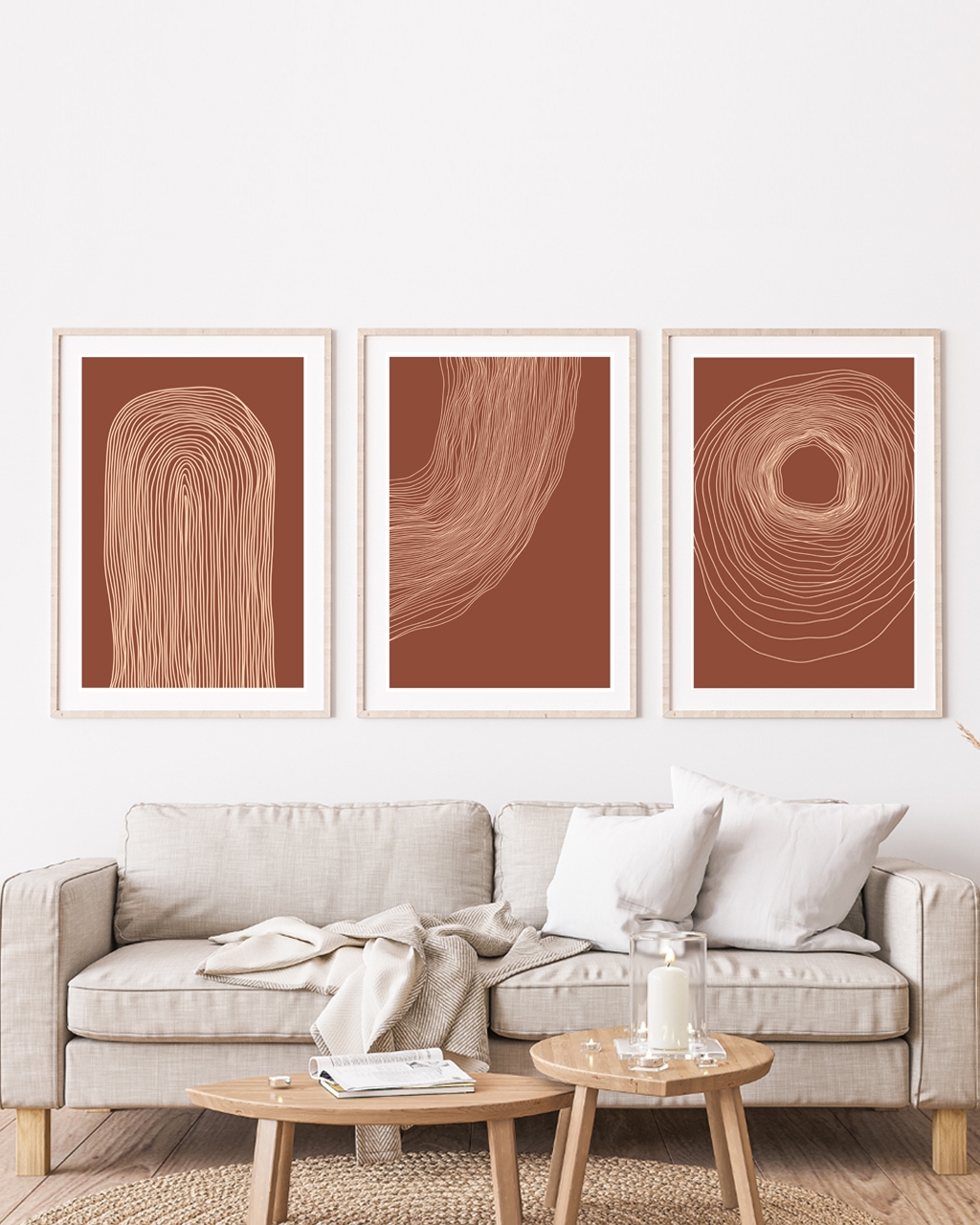
Tip: Measure the empty space as well as the furniture. A large wall with a small sofa may need a bigger print or a group of frames to feel balanced.
Common mistakes to avoid:
- Choosing the poster first without checking the wall.
- Using inches only, then ordering a centimeter size by guesswork.
- Forgetting that a frame adds visual weight around the print.
- Placing one small frame alone on a large blank wall.
Step 2: Match poster frame sizes to the print
The safest rule is simple: match the frame size to the poster size. If your poster is 50x70 cm, choose a 50x70 cm frame unless you are using a separate passe-partout from another supplier.
Here is how NordicPosterStore poster frame sizes work across our 7 sizes:
- 21x30 cm (8x12 in): Choose a 21x30 cm frame. This size is about A4 and works well on shelves, narrow walls, bedside corners and smaller gallery wall positions.
- 30x40 cm (12x16 in): Choose a 30x40 cm frame. This is a flexible small-to-medium size for hallways, kitchens and pairs above side tables.
- 40x50 cm (16x20 in): Very few designs come in this size, so check the product page first and choose a 40x50 cm frame if yours does. It has enough presence for a single print in a small room and works well in mixed gallery walls.
- 50x50 cm (20x20 in): Choose a 50x50 cm frame. Square posters suit calm compositions, centered furniture and grid-style gallery walls.
- 50x70 cm (20x28 in): Choose a 50x70 cm frame. This is one of the easiest larger sizes for living rooms, bedrooms and dining areas.
- 60x90 cm (24x35 in): Only a few designs come in this size, so choose a 60x90 cm frame if yours does. It suits larger walls and simple, confident arrangements with fewer surrounding objects.
- 70x100 cm (28x39 in): Choose a 70x100 cm frame. This is the largest NordicPosterStore size and works best where the wall has enough clear space around it.
Not every design comes in every size. If you have already chosen a print, check the available sizes on that product page before planning the frame and wall layout.
Poster frame sizes are easiest to choose when you decide the final wall arrangement first. For example, a 50x70 cm poster can stand alone above a small sofa, while a 30x40 cm print may look better as part of a gallery wall with other sizes.
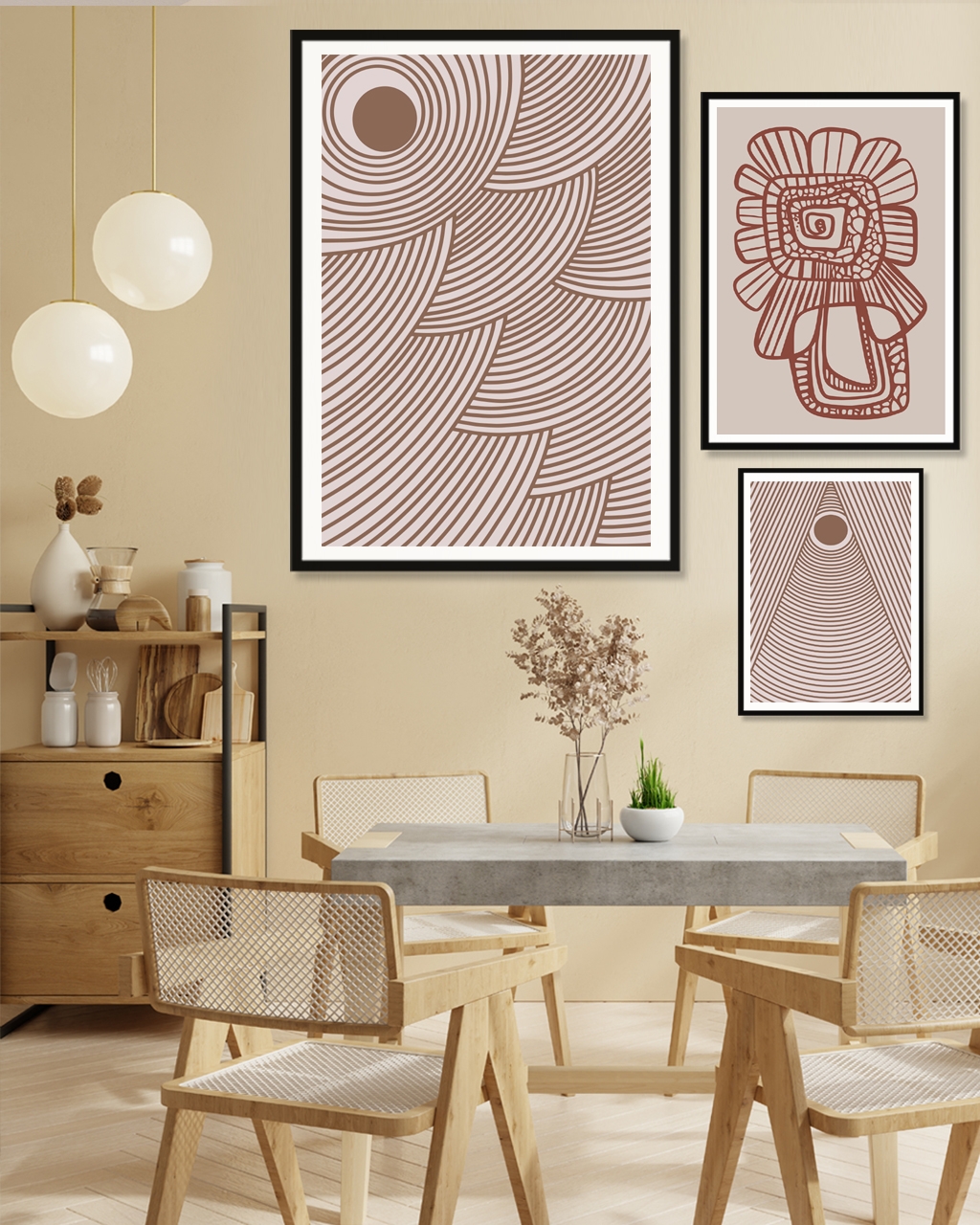
Warning: Do not order a larger frame unless you are intentionally adding a mount. A loose poster inside a frame can shift, wrinkle or look unfinished.
Common mistakes to avoid:
- Mixing up 50x70 cm and 70x100 cm because the numbers look similar.
- Assuming 21x30 cm is the same as every A4 frame sold elsewhere.
- Buying a frame first, then trying to find a poster that fits it.
- Forgetting that square 50x50 cm posters need a square frame.
Step 3: Choose wood or black metal poster frames
Choose wooden frames when the room needs warmth. Choose a black metal frame when the print or room needs definition. Both can look calm and clean, but they do different jobs.
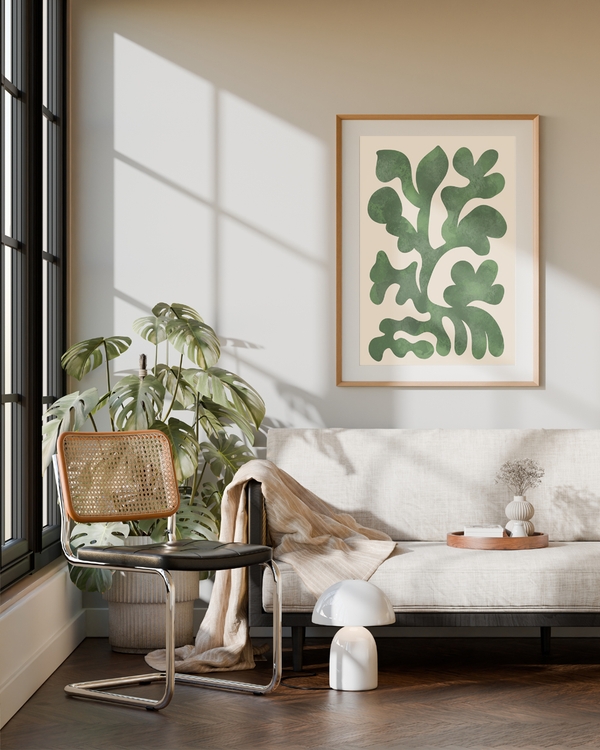
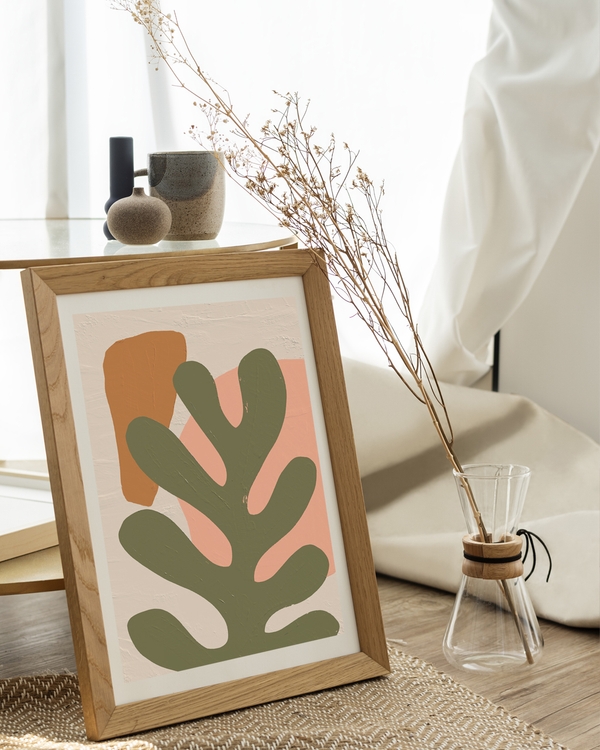
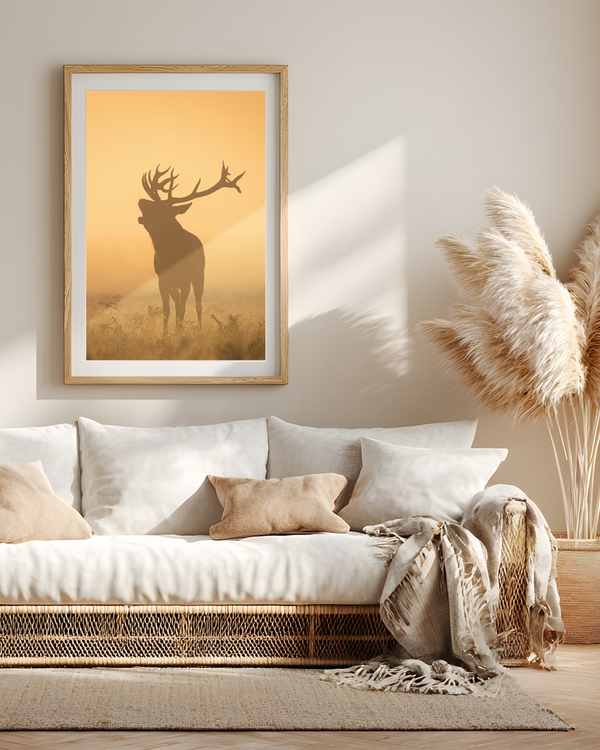
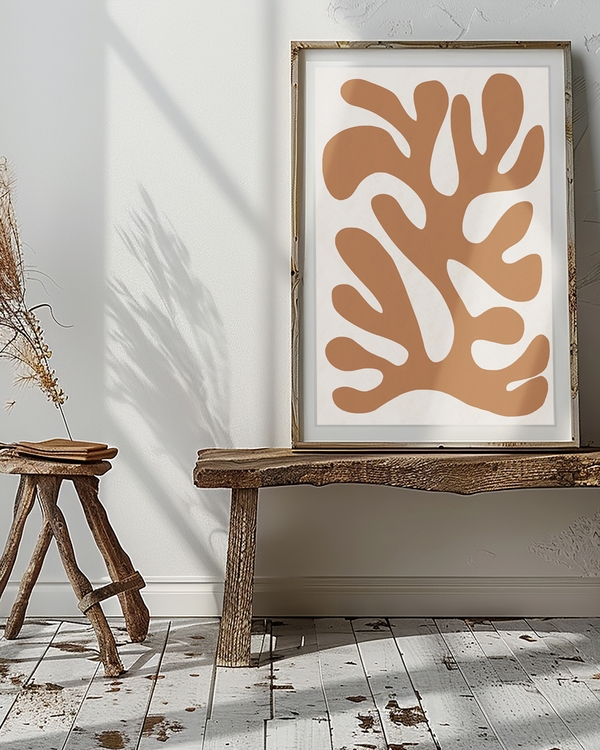
A wooden frame is usually the safer choice in rooms with oak furniture, warm floors, beige walls, cream textiles, woven baskets, pale leather or natural details. If you want a frame that sits well beside oak, our Wood finish gives this softer effect. The frame does not need to match every piece of furniture exactly. It just needs to sit in the same warm family.
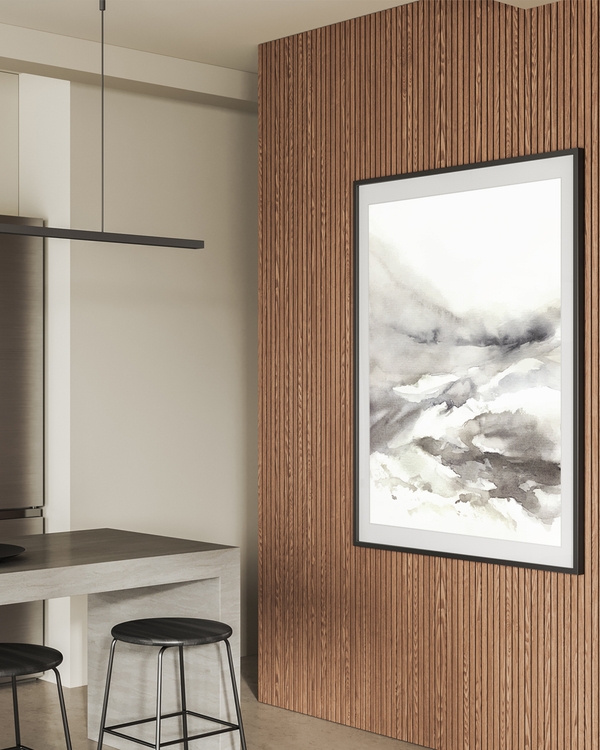
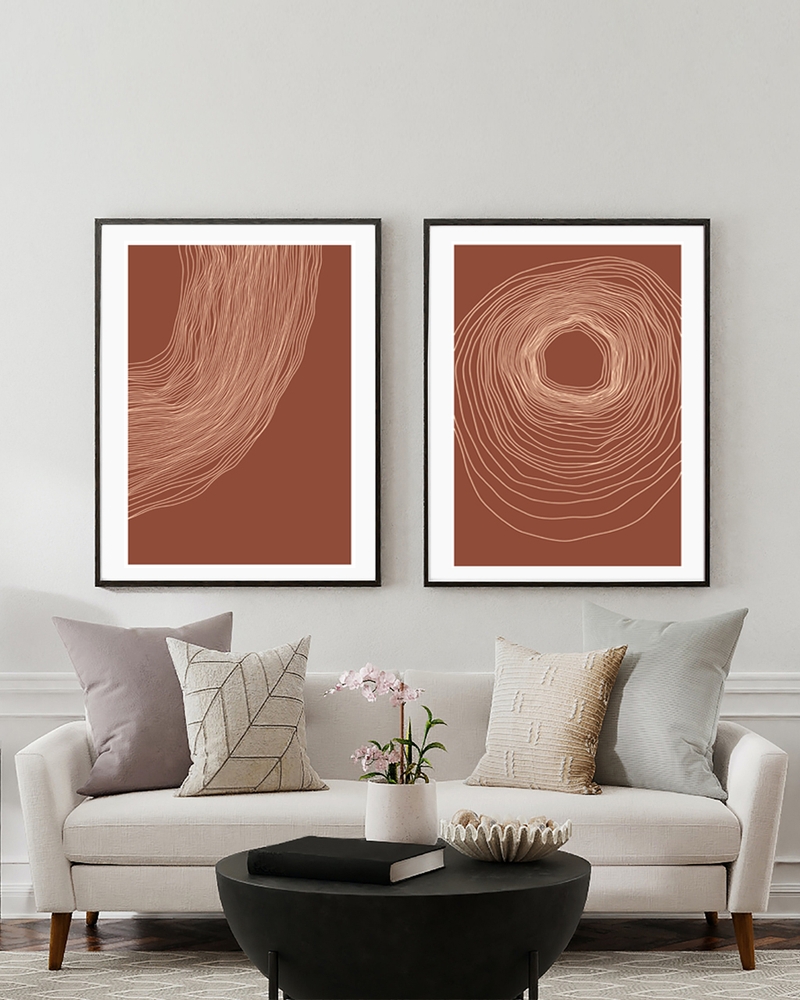
A black metal frame works well when the room already has black details: a lamp, dining chair legs, picture rail, handles, a mirror frame or dark shelving. It can also balance dark wood furniture because it creates a clear outline instead of adding another wood tone.
For poster styles, use this rule:
- Botanical and nature posters: Wooden frames often feel calm and organic.
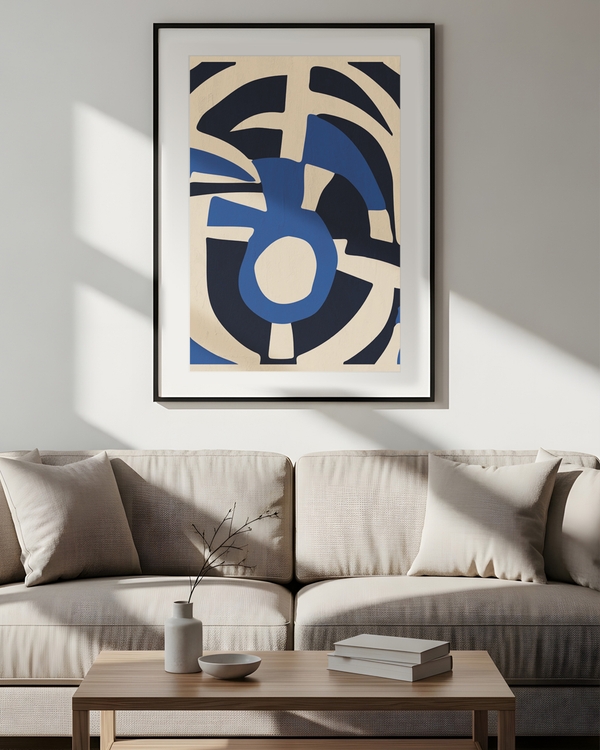
- Abstract posters: Wood softens warm abstracts; black metal sharpens bold shapes.
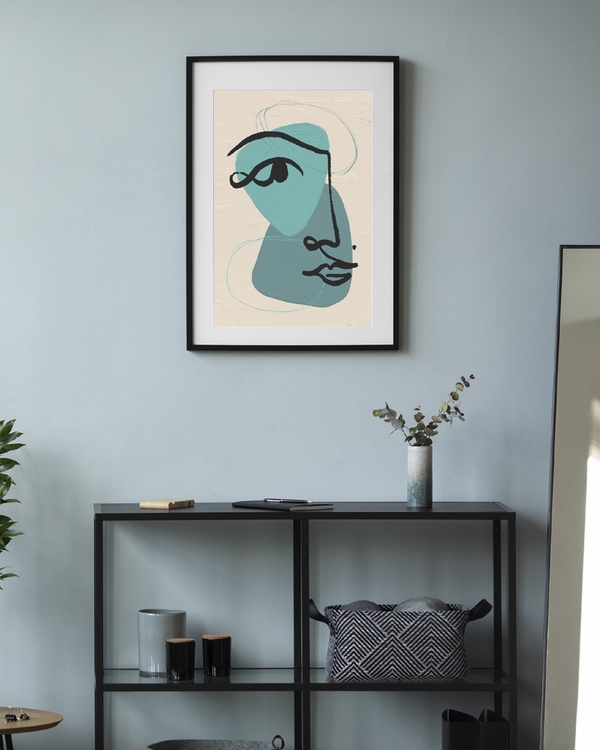
- Black and white posters: Black metal gives a clean graphic edge.
- Typography posters: Black metal usually keeps the text crisp.
- Kids posters: Wood often feels softer in bedrooms and play corners.
- Kitchen posters: Wood works well with warm cabinets; black metal suits modern kitchens with darker details.
The broader Scandinavian design tradition often values simple forms, useful materials and restraint. Designmuseum Danmark gives useful background on Nordic design history and material culture if you want more context on why natural wood and clean lines are so closely connected in Scandinavian interiors.
Calm Nordic nature posters in soft tones
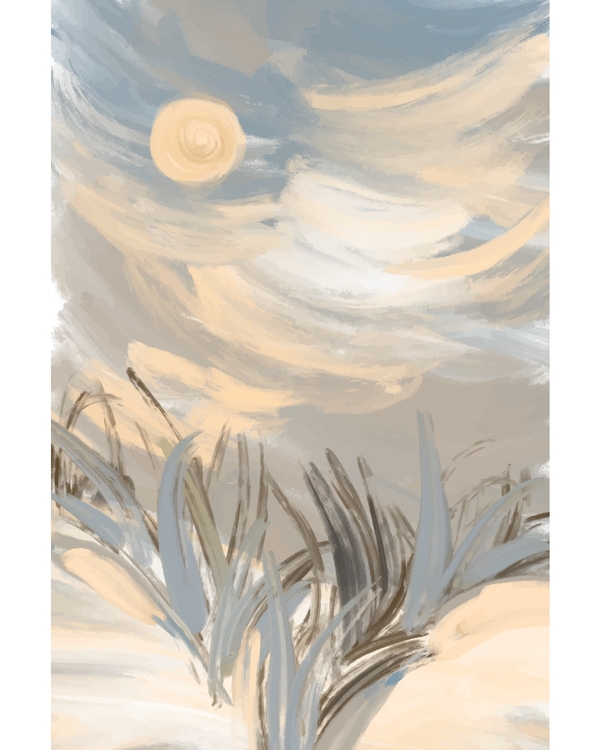
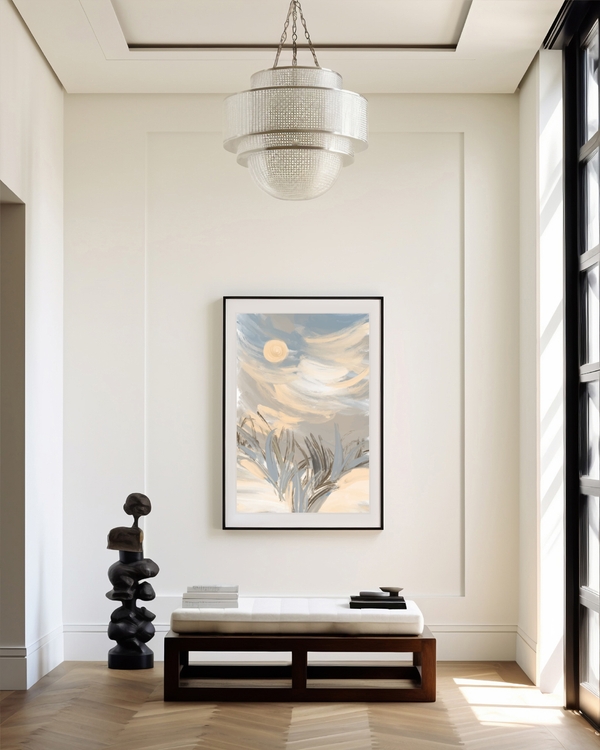
Calm Landscape
From 109 kr.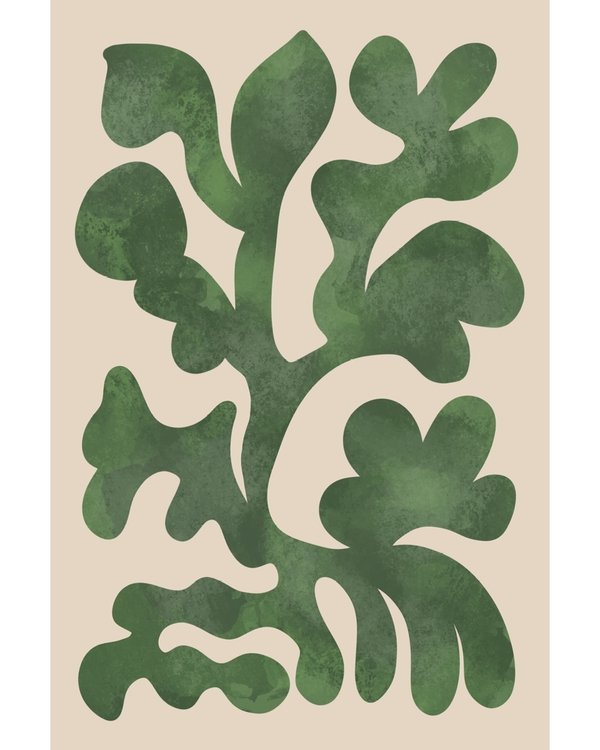
Nordic Green Forms
From 109 kr.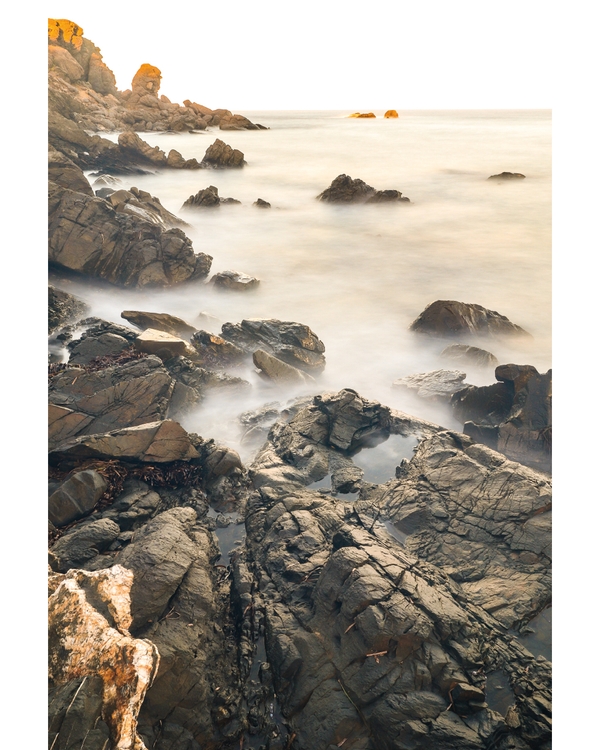
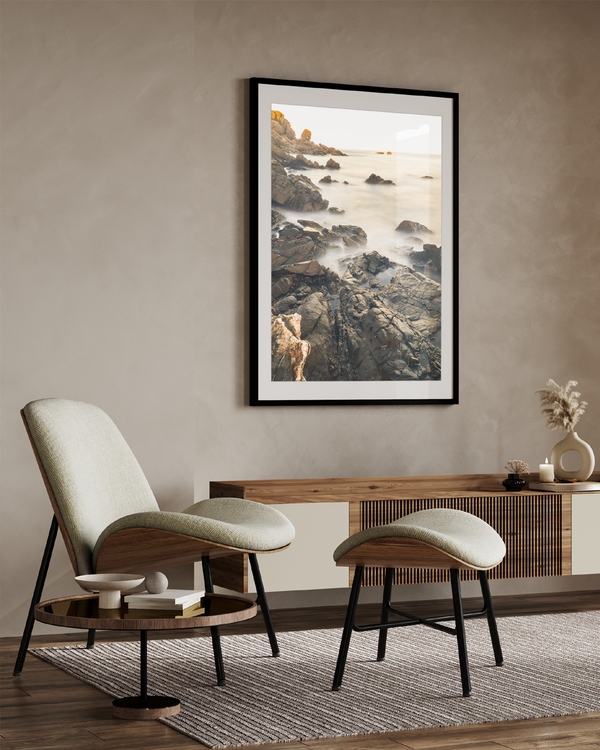
Scandinavian Seascape
From 109 kr.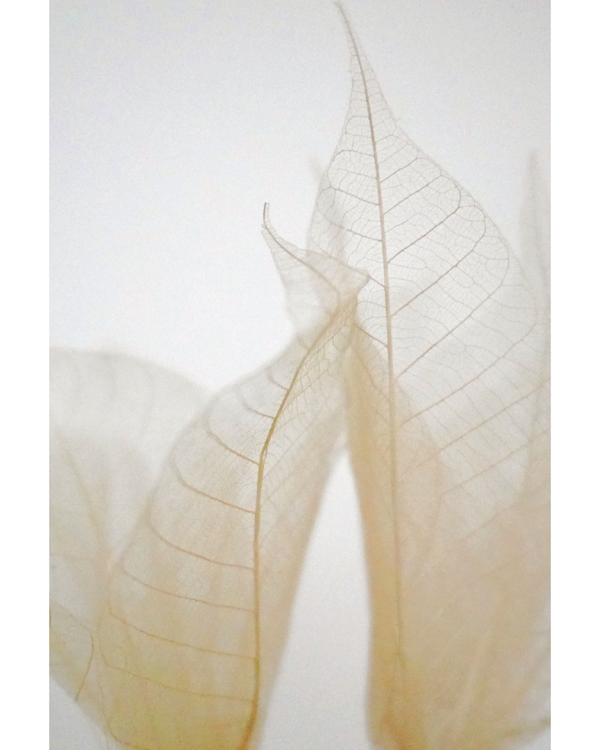
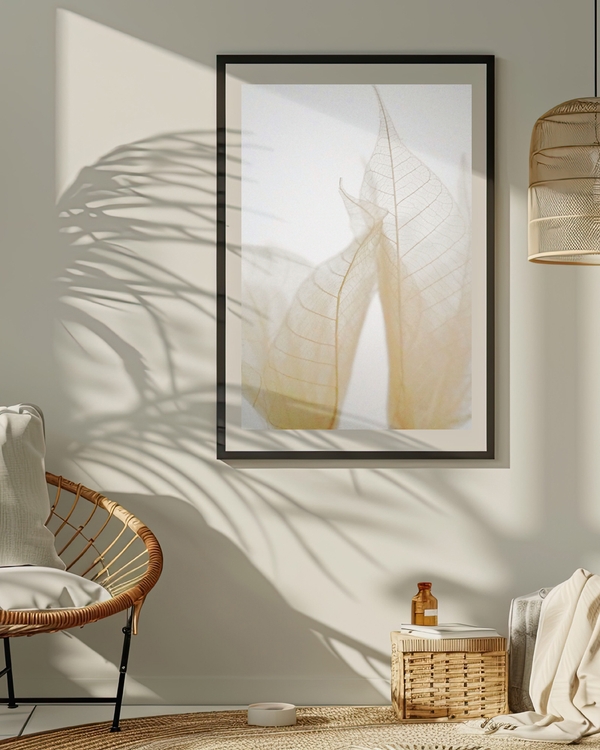
Transparent Nature
From 109 kr.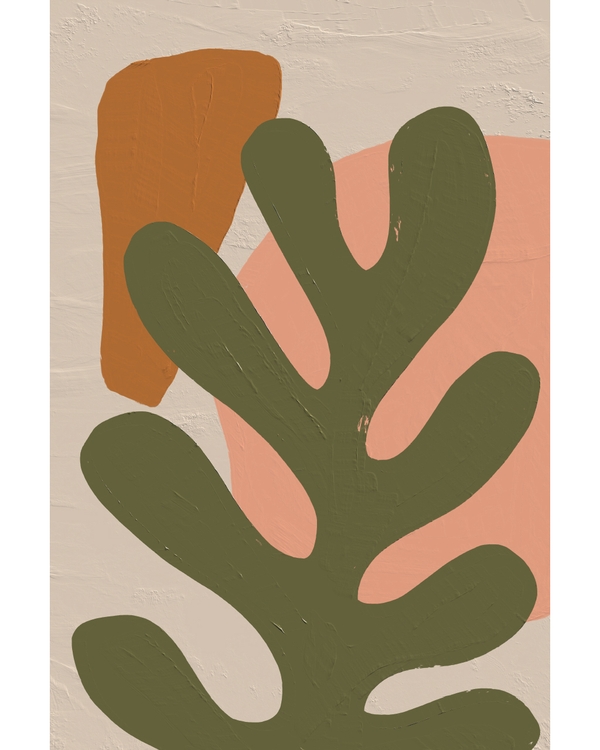
Abstract Leaf
From 109 kr.
Nordic Mist Layers
From 109 kr.
Golden Deer
From 109 kr.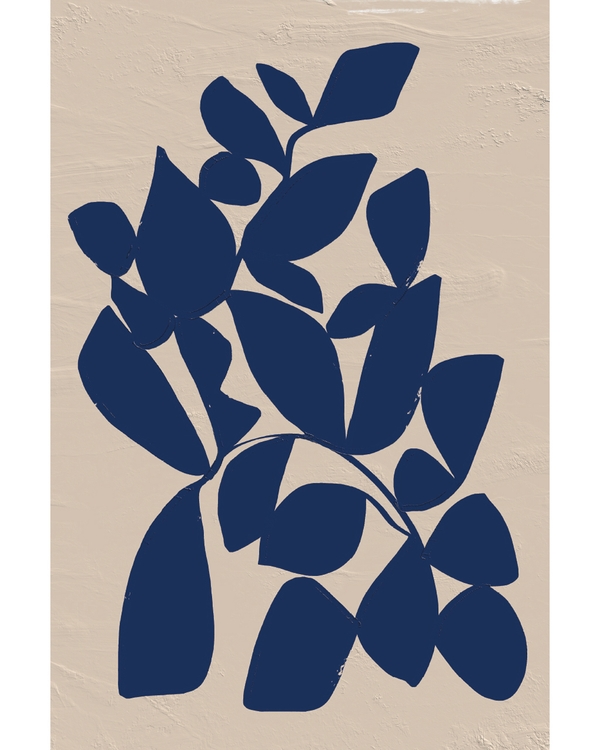
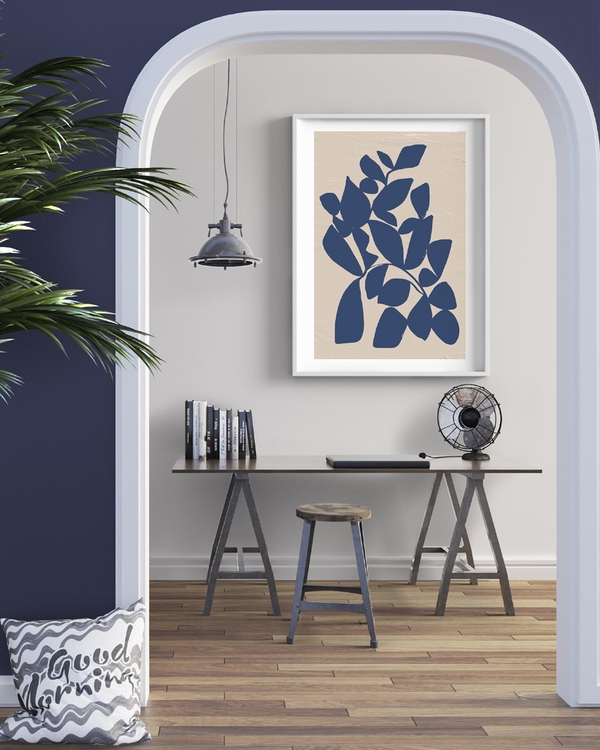
Navy Leaf Composition
From 109 kr.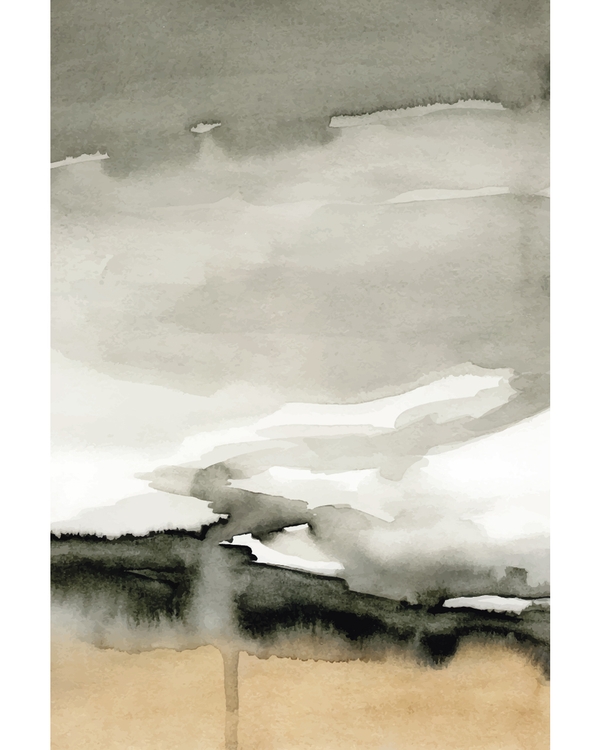
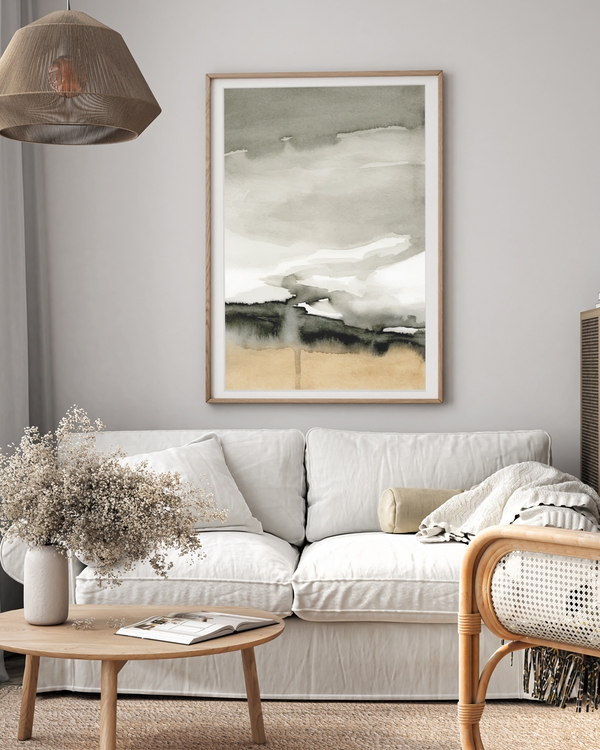
Misty Dunes
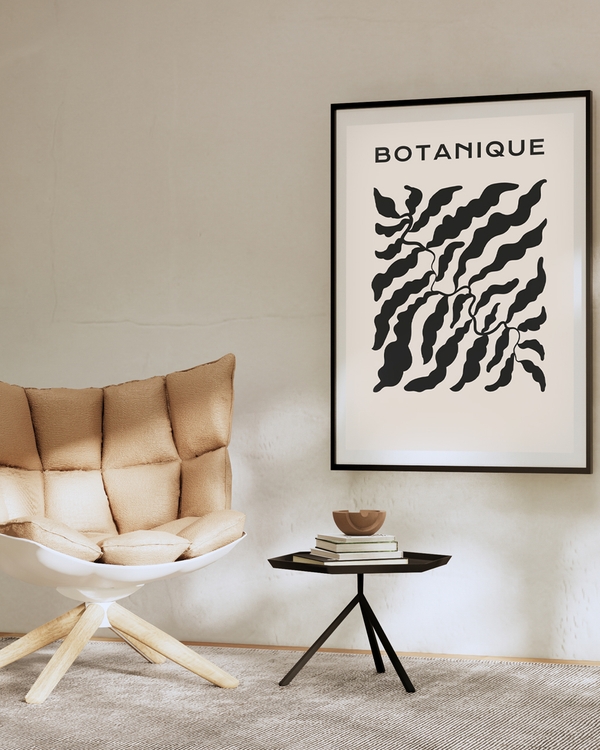
From 109 kr.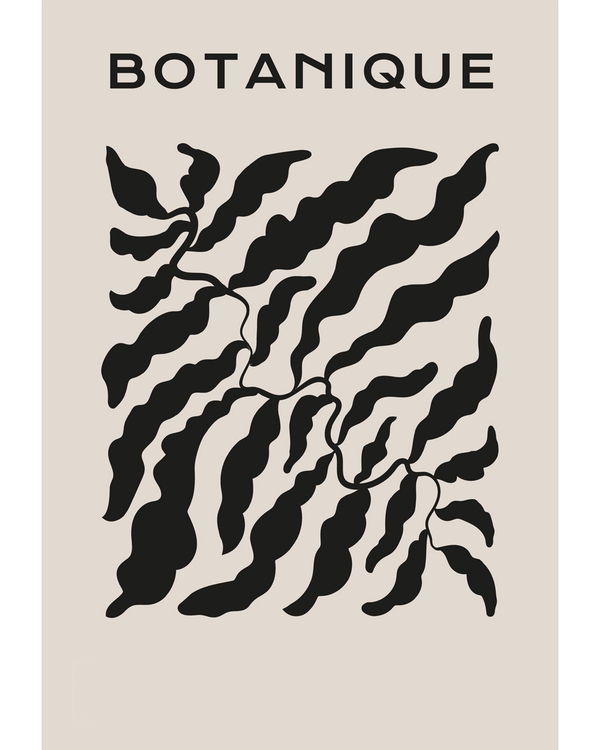
Nordisk Botanik
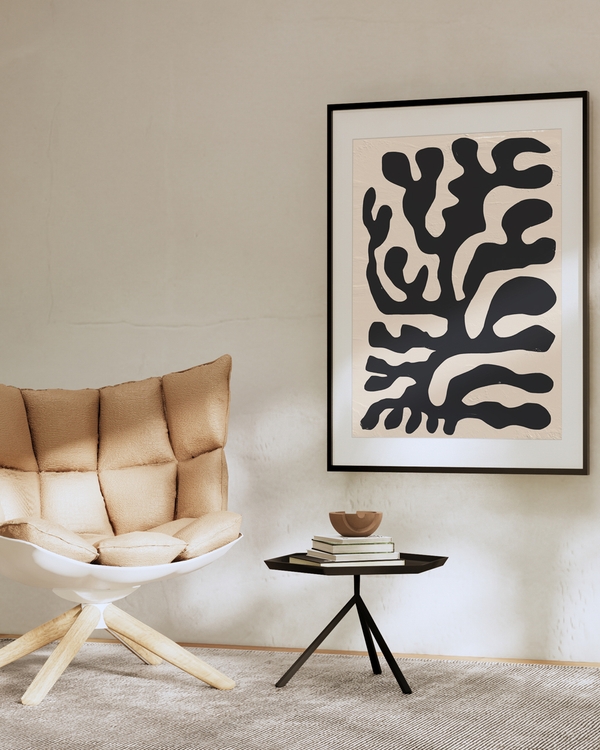
From 109 kr.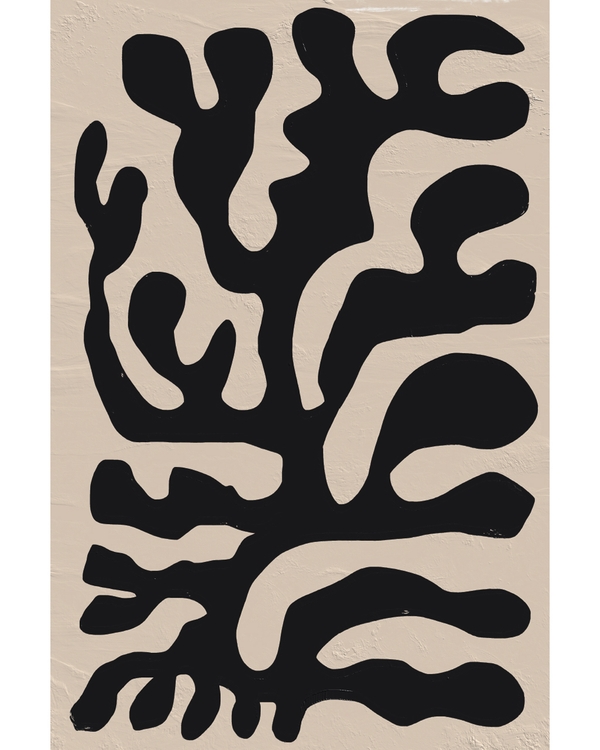
Minimal Botanical Lines
From 109 kr.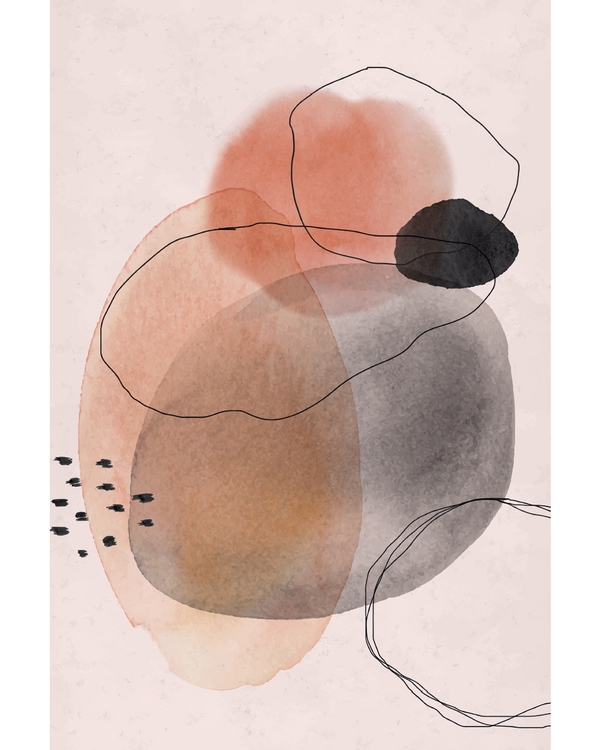
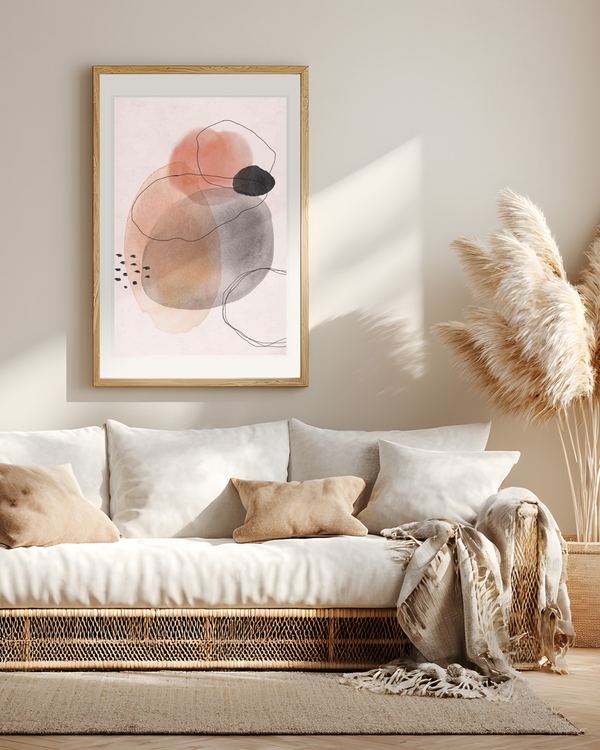
Calm Composition
From 109 kr.
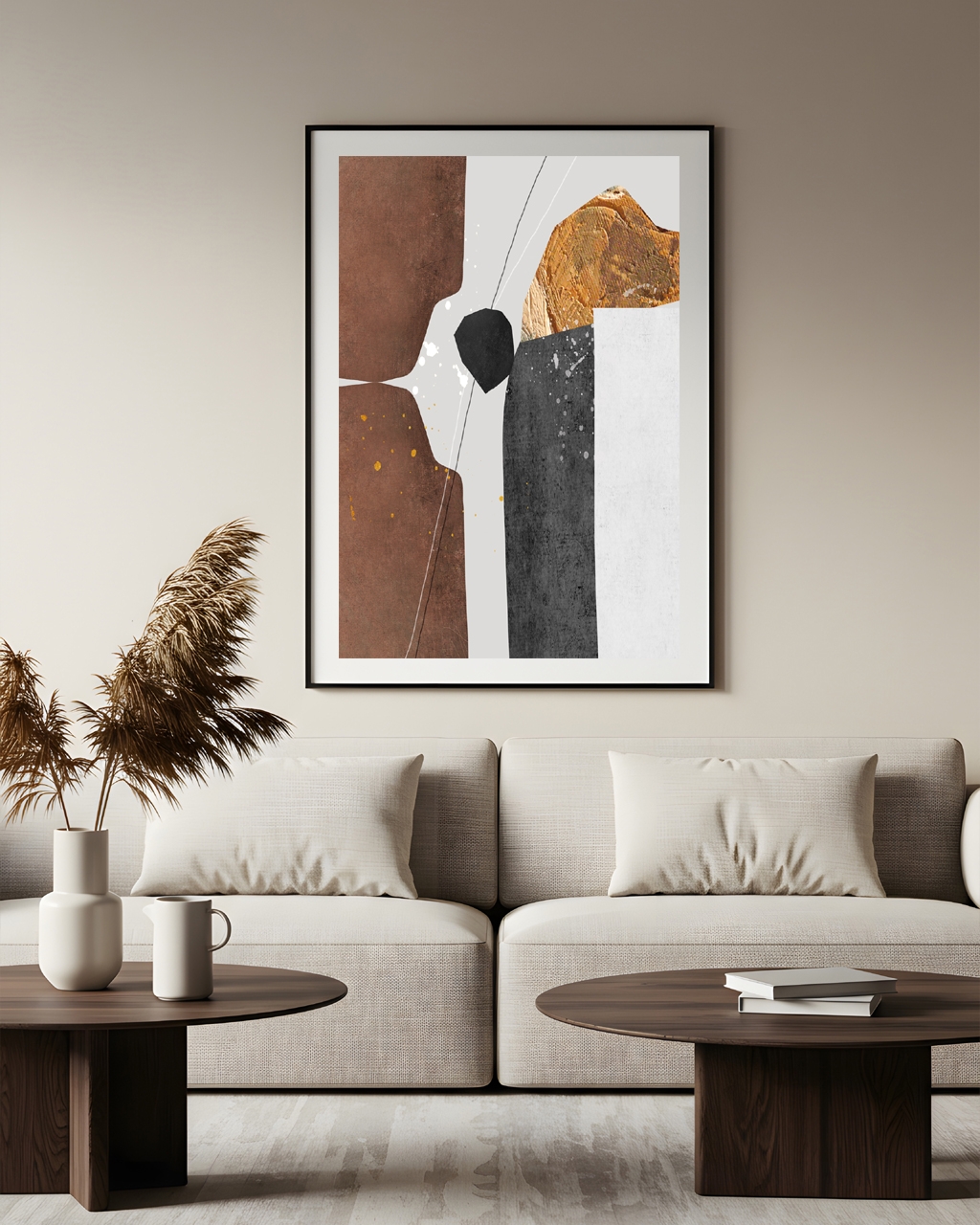
Tip: If your room already has three or more wood tones, black metal can be the simpler choice. It adds contrast without trying to match the wood.
Common mistakes to avoid:
- Trying to match wood tones exactly across the whole room.
- Using black metal only because it feels safe, even when the room needs warmth.
- Choosing a heavy-looking frame for a very delicate print.
- Forgetting that the poster style matters as much as the furniture.
Step 4: Decide ready-to-hang or unassembled
With a wooden frame, ready-to-hang framing is easiest if you want the poster mounted for you. Unassembled framing is better if you enjoy handling the print yourself, want to check the border placement, or are building a gallery wall slowly.
With NordicPosterStore, wooden frames can be delivered ready to hang or unassembled. Ready to hang means the poster is already mounted in the frame. This is useful when you are ordering a single finished piece for a living room, bedroom, hallway or gift.
Unassembled means you receive the poster and frame separately and put them together yourself. This can be helpful if you want to inspect the print first, test different frames in the room, or arrange several posters on the floor before placing them in frames.
Choose ready-to-hang when:
- You want the simplest route from order to wall.
- You are buying one framed poster for a clear spot.
- You do not want to handle a large 70x100 cm print more than needed.
- You are choosing a gift and want it to feel complete.
Choose unassembled when:
- You are building a gallery wall in stages.
- You want to try the print in different spots at home before final placement.
- You want to check the print before it goes into the frame.
- You prefer to place and adjust the print yourself.
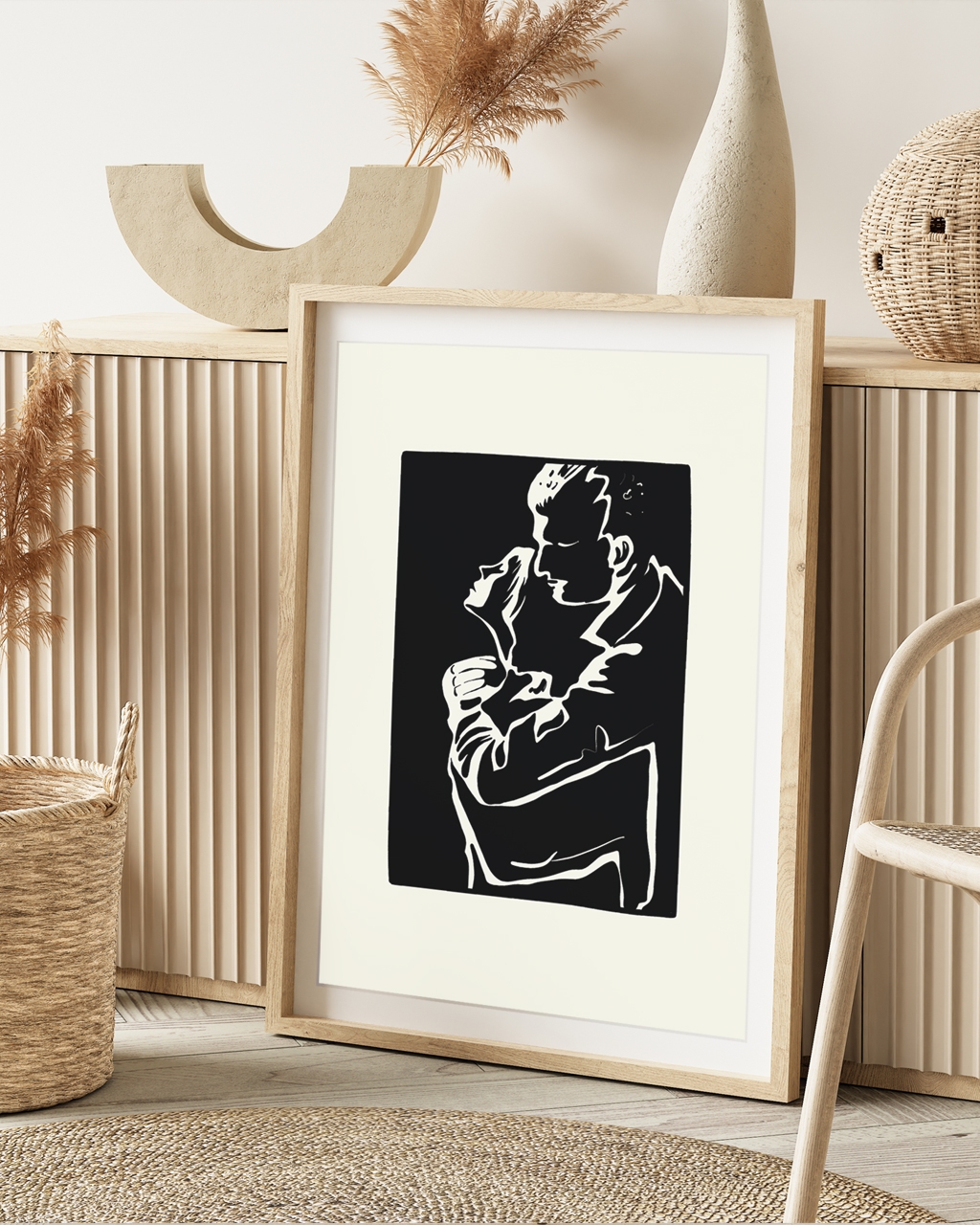
Warning: Large posters are easier to mark or bend when handled in a hurry. Work on a clean, dry surface and keep food, drinks and tape away from the print.
Common mistakes to avoid:
- Opening a large poster on a small table.
- Touching the printed area more than necessary.
- Waiting until the frame is on the wall to notice dust inside.
- Choosing unassembled framing when you know you want the simplest option.
Step 5: Check white border, edge-to-edge print or mount
A white border makes the artwork feel lighter inside the frame. Edge-to-edge printing feels fuller and more direct. A separate mount gives a deeper framed look, but NordicPosterStore does not sell mounts.
Most NordicPosterStore designs have a white border printed around the artwork. This can give a similar airy effect to a mount without changing the frame size. It is especially useful for abstract, botanical, photography and soft Scandinavian posters because the extra breathing room makes the image feel calmer.
Some posters print edge to edge. This means the artwork runs to the paper edge. Edge-to-edge prints often feel bolder, especially in black metal frames or larger sizes such as 50x70 cm and 70x100 cm.
A passe-partout, also called a mount, is a card border between the print and the plexiglass front of the frame. It is not printed on the poster. It is a separate insert that creates space around the artwork. We do not sell passe-partouts, so if you want that look, choose a frame and mount from another supplier and check the opening size carefully.
Use this simple decision list:
- Choose a printed white border if you want an airy look without extra parts.
- Choose edge to edge if you want the artwork to feel larger and more graphic.
- Choose a separate mount from elsewhere if you want a smaller print inside a larger frame.
- Keep frame and poster the same size if you are not using a mount.
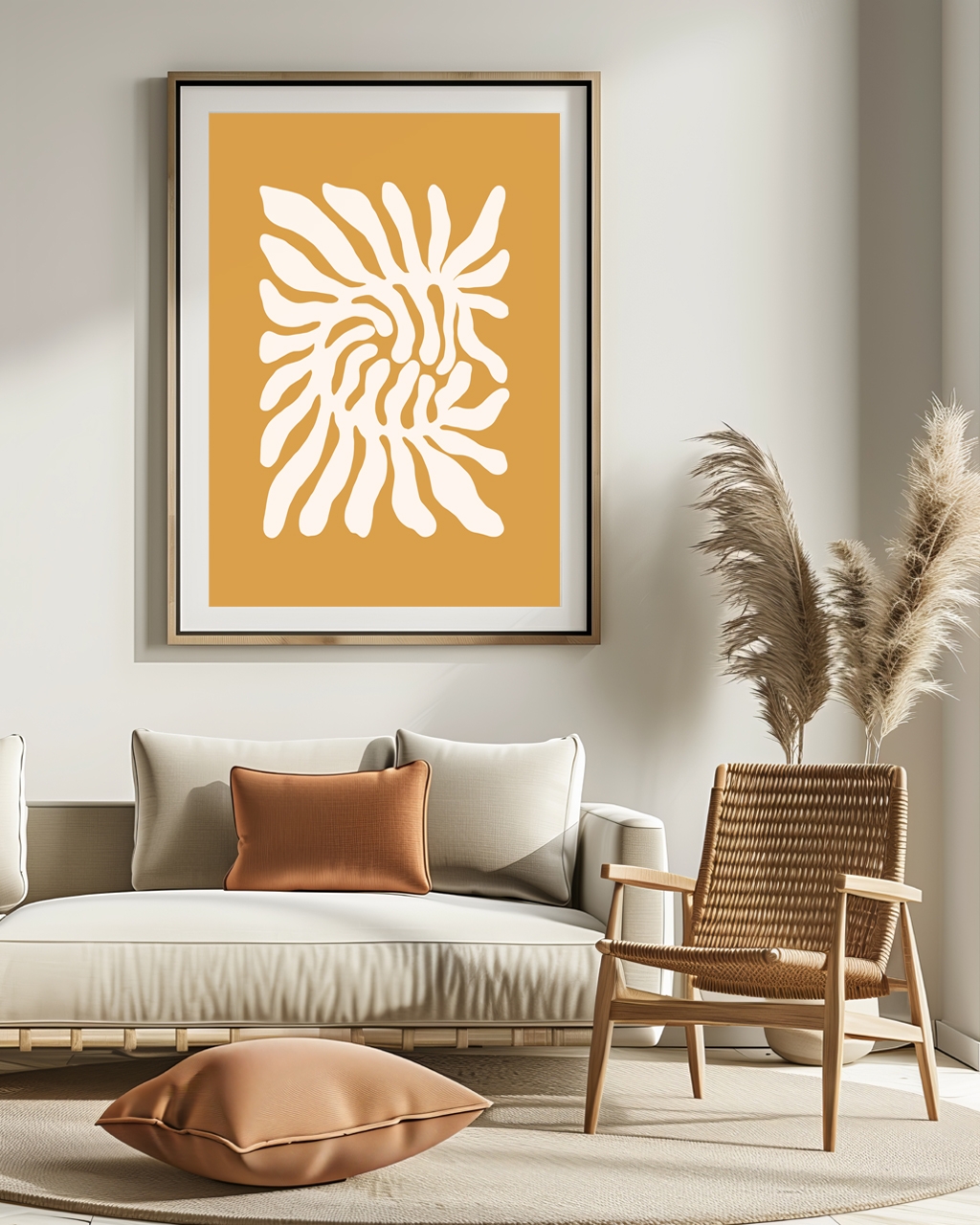
Tip: If the room already has lots of objects, a white border can help the poster feel quieter. If the wall is very plain, an edge-to-edge print can add more visual weight.
Common mistakes to avoid:
- Confusing a printed white border with a separate mount.
- Buying a larger frame without checking the mount opening.
- Cropping the artwork visually by using the wrong insert.
- Assuming every poster has the same border style.
Step 6: Match the frame to your furniture
The best frame usually repeats something already in the room: wood warmth, black details, pale walls or soft textiles. You do not need an exact match. You need a clear relationship.
For oak or oak-toned furniture, wooden frames are usually the easiest fit. They connect naturally with dining tables, sideboards, pale floors, shelving and bedside tables. If your furniture is light oak, choose a frame that feels close in warmth, even if it is not identical.
For dark wood furniture, a black metal frame often works better than another wood tone. Dark walnut, stained oak or espresso-toned furniture can make a room feel visually heavy. A black metal frame creates a clean line without adding another brown tone.
For white or light gray walls, both finishes can work:
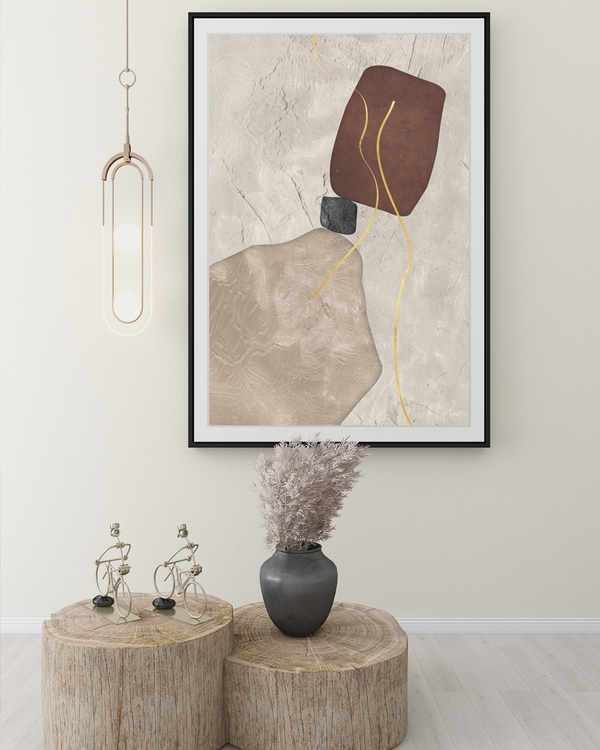
- Wood adds warmth and makes the wall feel softer.
- Black metal adds structure and draws the eye.
- A white-bordered print in wood feels quiet and Scandinavian.
- An edge-to-edge print in black metal feels more graphic.
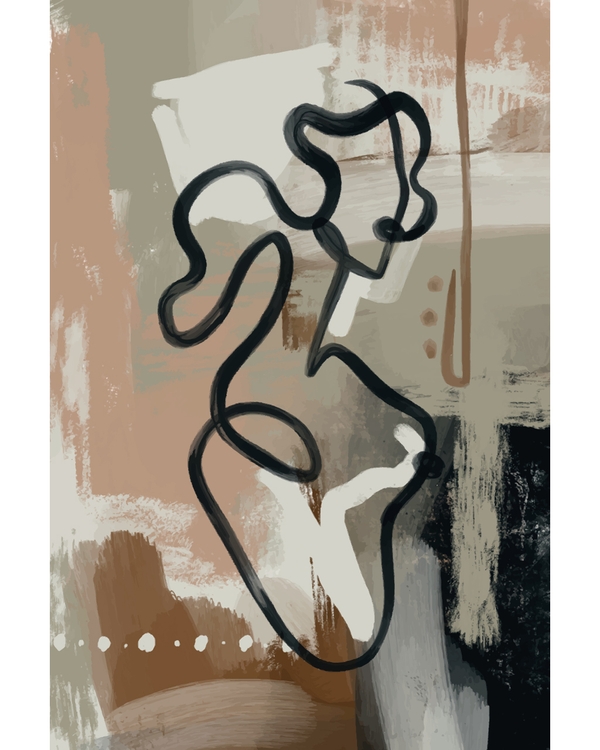
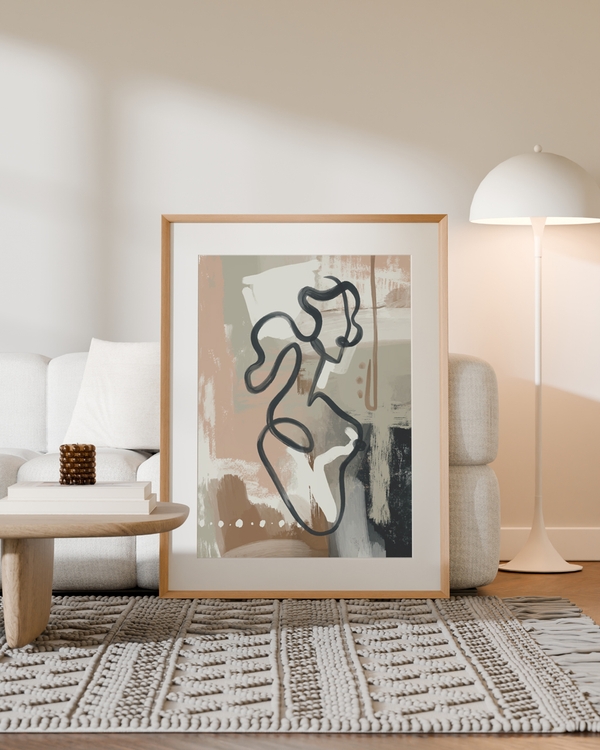
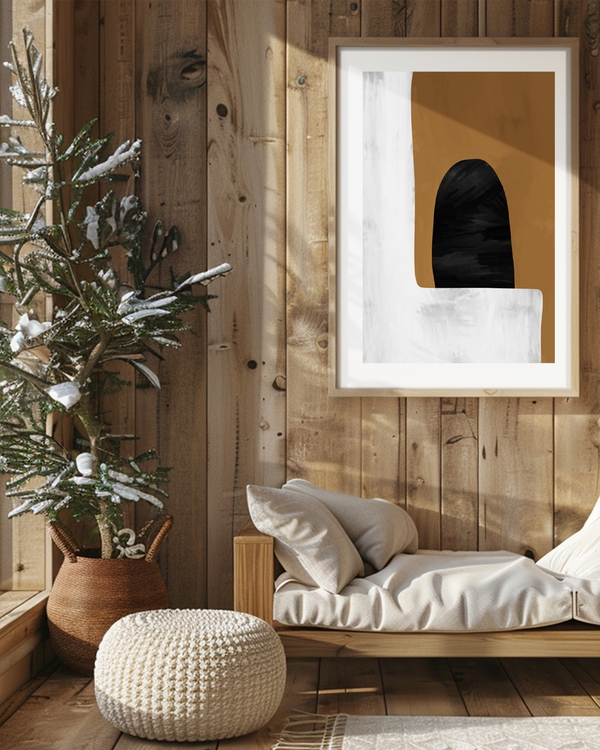
For colorful prints, let the artwork lead. A warm abstract poster with terracotta, beige or pink often works well in wood. A print with black lines, deep green, blue or strong contrast often suits black metal.
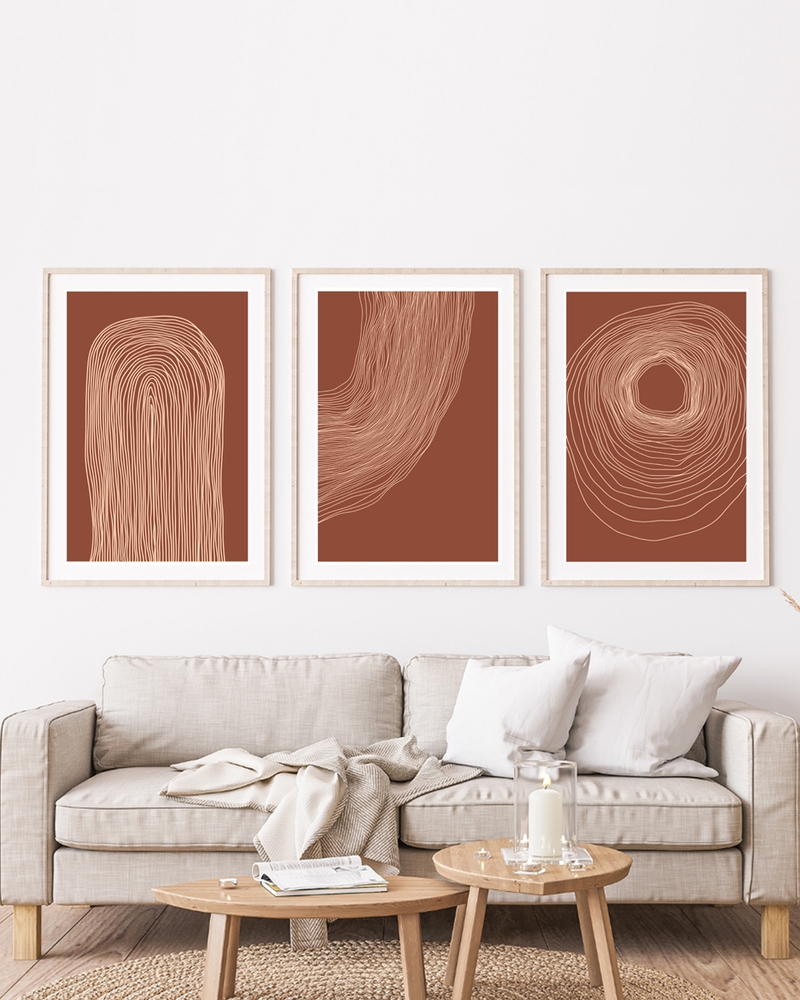
If you are planning several frames, repeat one finish across the wall unless you have a clear reason to mix. Mixed frames can look good, but they need discipline: repeat each finish at least twice and keep the spacing consistent.
For room-specific ideas, our guide to living room wall art may help you see how frame size, sofa placement and print style work together.
Abstract posters for wood or black frames
Modern Abstract Flow
From 109 kr.
Nordic Graphic Shapes
From 109 kr.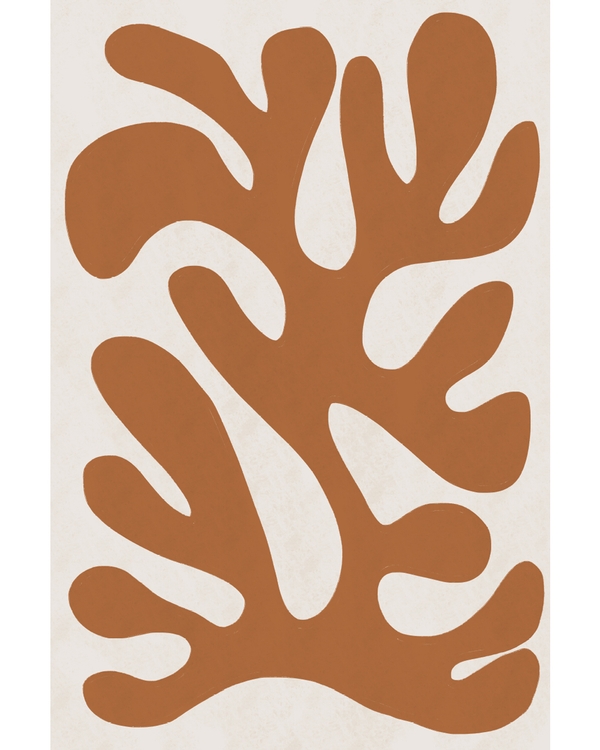
Abstract Shape Terracotta
From 109 kr.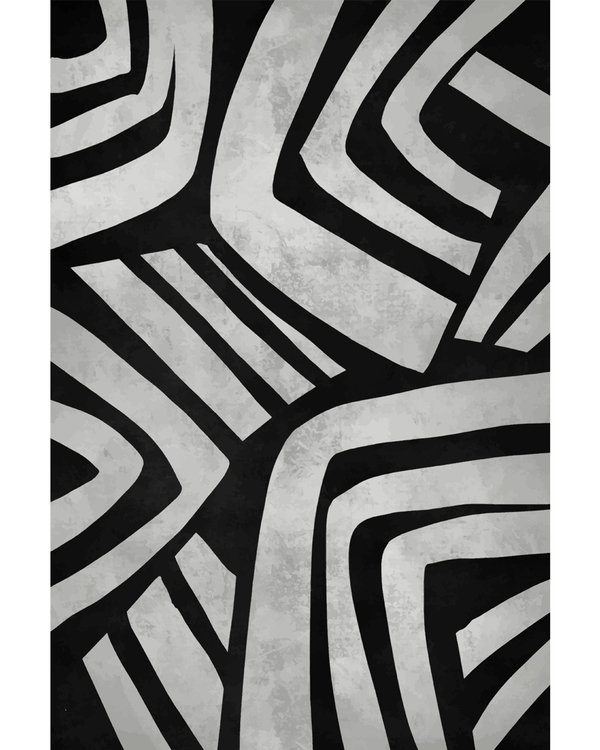
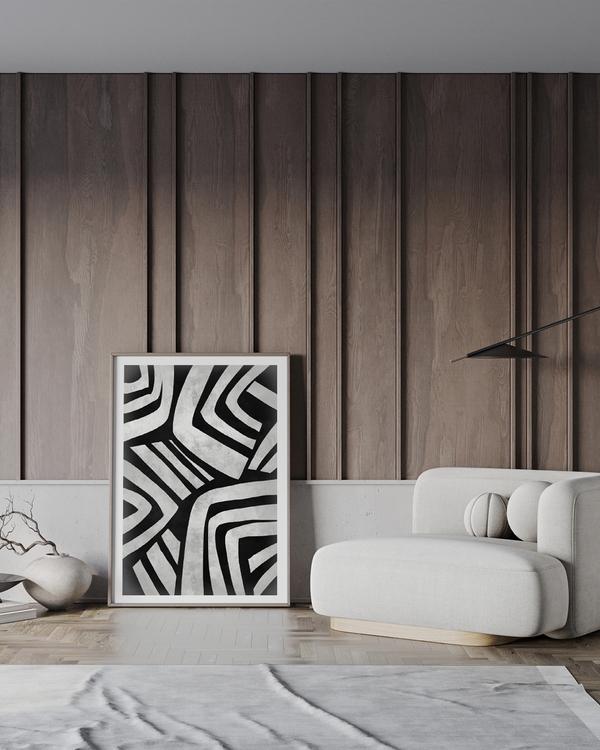
Monochrome Flow
From 109 kr.
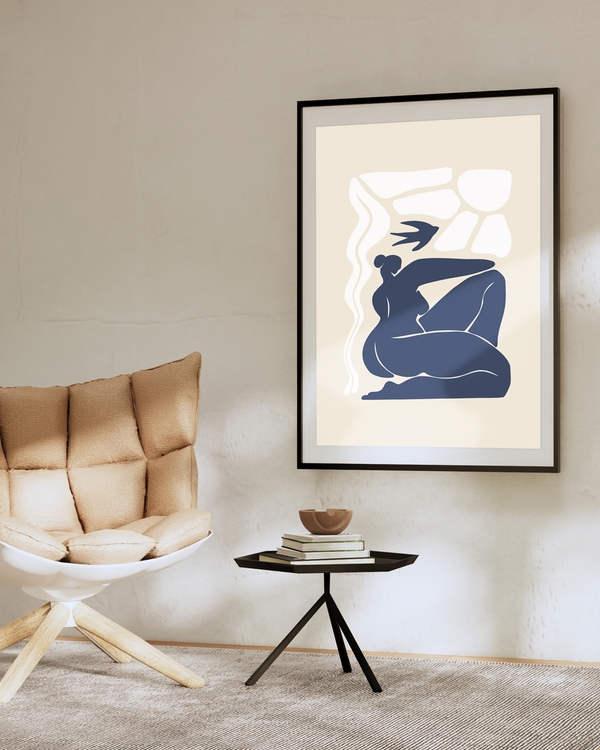
Abstract Quiet Figure
From 109 kr.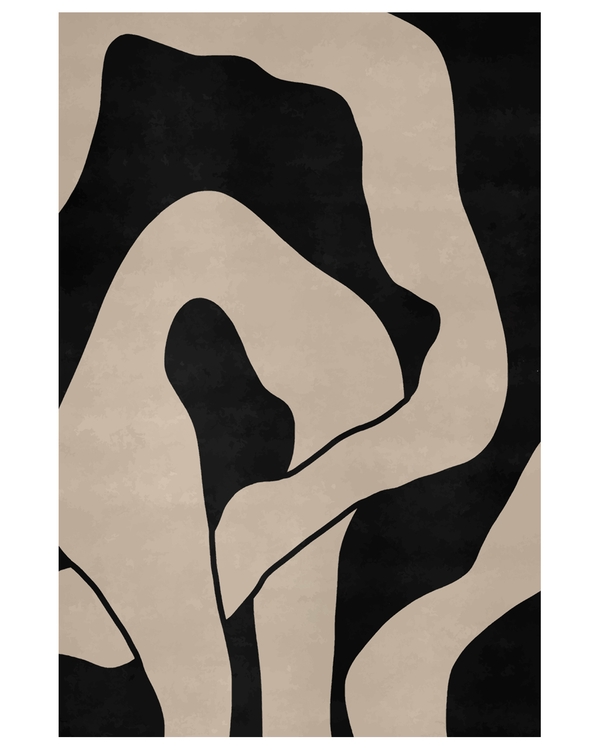
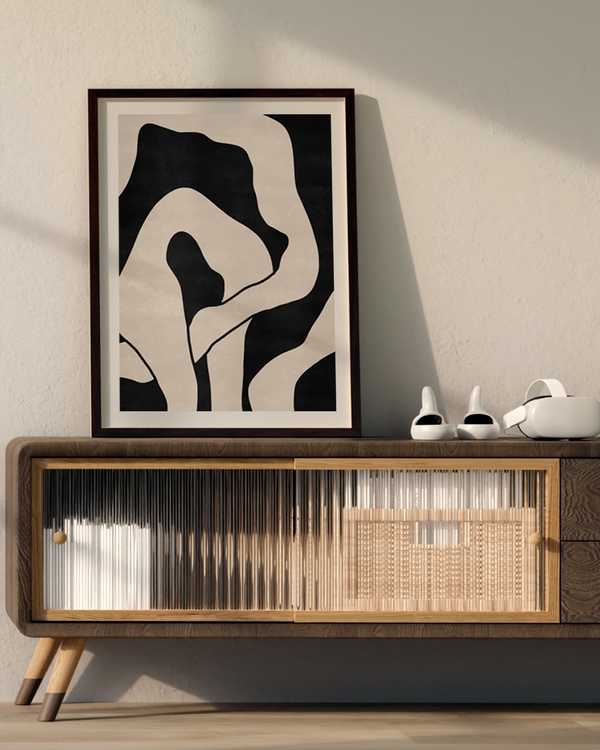
Contours of Silence
From 149 kr.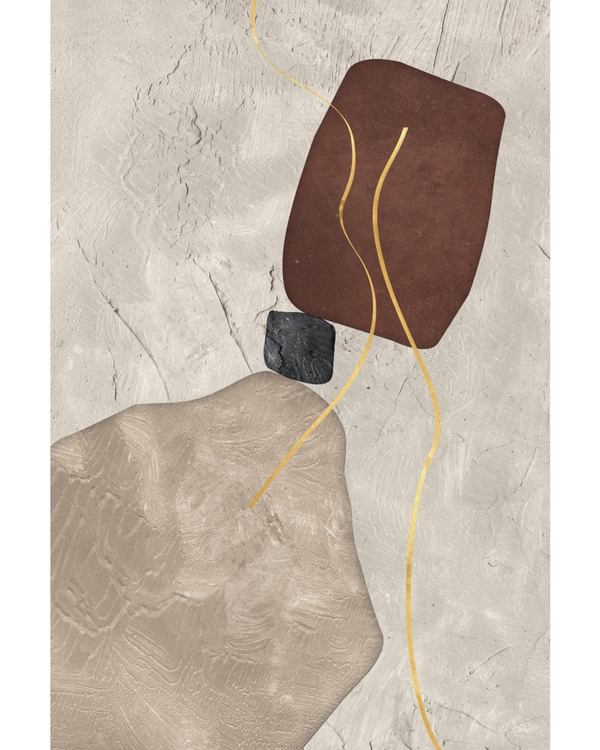
Quiet Composition
From 109 kr.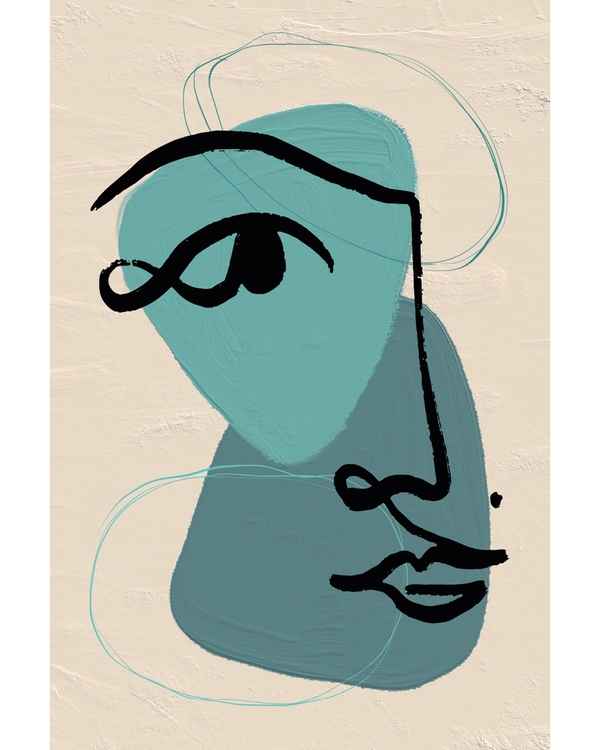
Nordic Abstract Portrait
From 109 kr.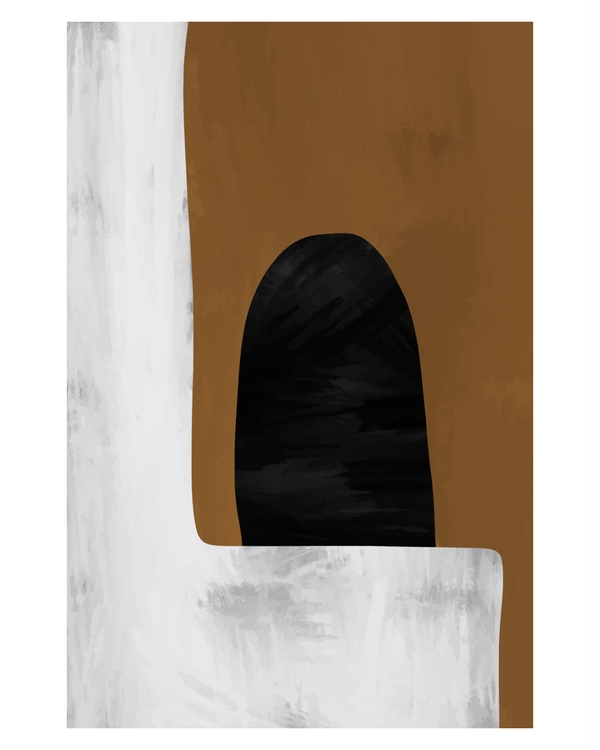
Organic Contrast
From 149 kr.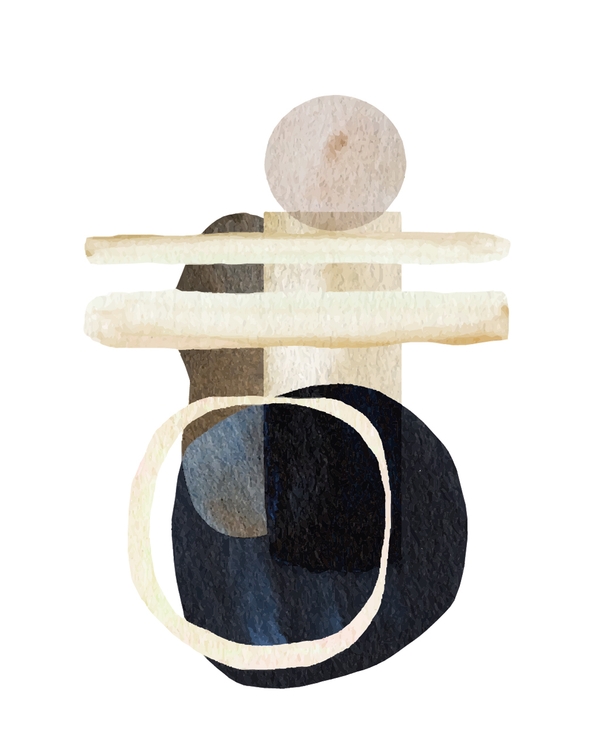
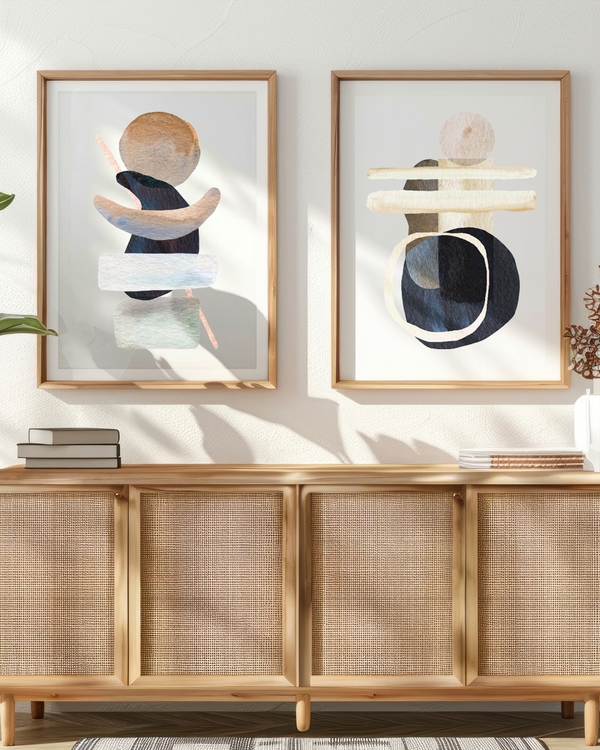
Soft Structure
From 109 kr.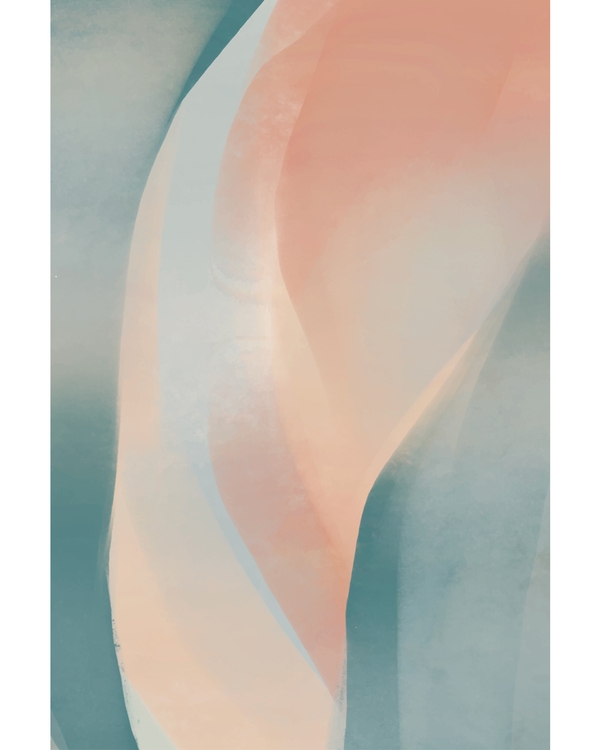
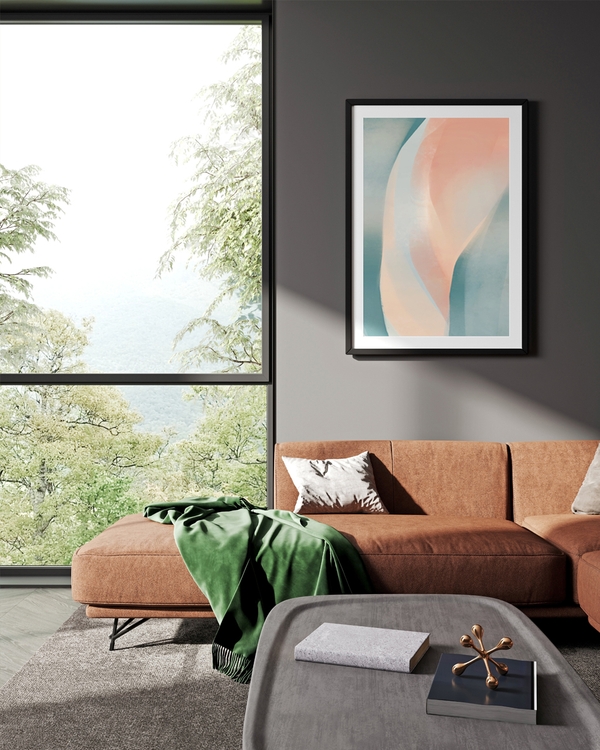
Blush Balance
From 109 kr.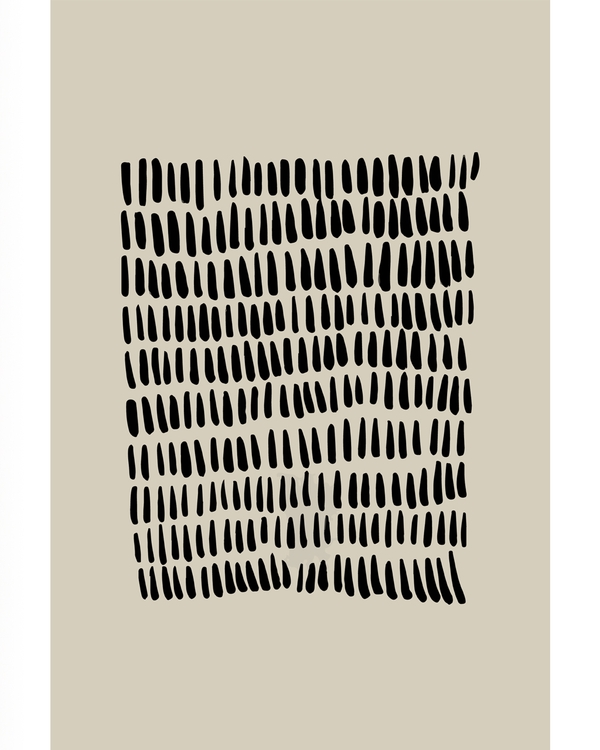
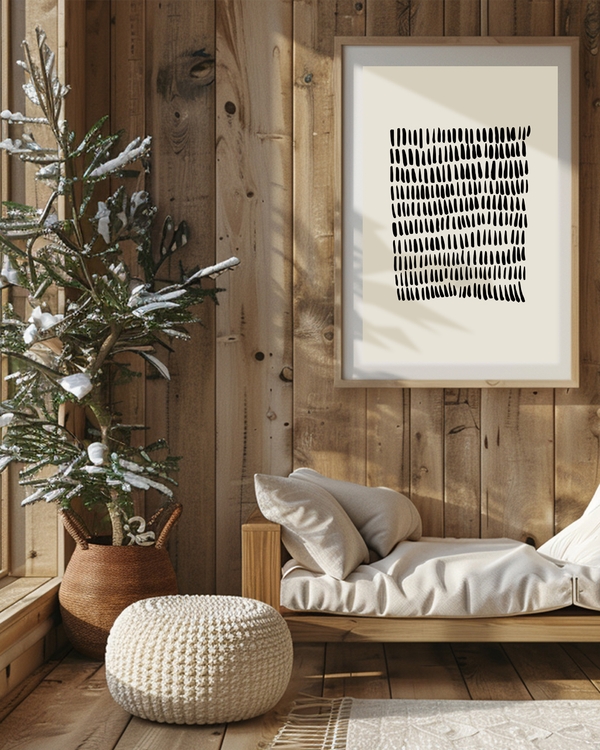
Organic Grid
From 109 kr.
Tip: Take one phone photo of the wall and furniture before ordering. Looking at the room as a flat image makes frame finish decisions easier.
Common mistakes to avoid:
- Matching the frame to one small object and ignoring the bigger furniture.
- Mixing too many frame finishes on one wall.
- Choosing a pale wood frame for a room that already feels washed out.
- Using black metal in every room when some spaces need softness.
Step 7: Hang the frame at the right height
A framed poster usually looks best when its center sits around eye level, with enough space between the frame and the furniture below. For most homes, the practical goal is simple: the poster should feel connected to the room, not stranded near the ceiling.
If hanging above furniture, start with the furniture rather than the ceiling. A frame above a sofa, bed or sideboard usually feels better when the gap is modest and intentional. Too high is more common than too low.
Use these placement rules:
- Above a sofa or bed: Keep the frame visually connected to the furniture below it. Leave enough space so it does not feel cramped, but do not push it close to the ceiling.
- In a hallway: Center the poster at a natural standing eye level and leave room around doors, switches and mirrors.
- In a gallery wall: Choose one anchor frame first, then build around it with consistent gaps.
- On a narrow wall: Use a smaller frame or a vertical print so the wall does not feel crowded.
- For large 70x100 cm frames: Check the full outline with painter’s tape before making holes.
For renters, damage-reducing hanging strips can be useful for lighter frames, but check the product’s wall type and weight guidance carefully. For larger or heavier frames, use a fixing method suited to your wall material.
If you want more spacing advice, read our guide on how to create a gallery wall before hanging multiple frames.
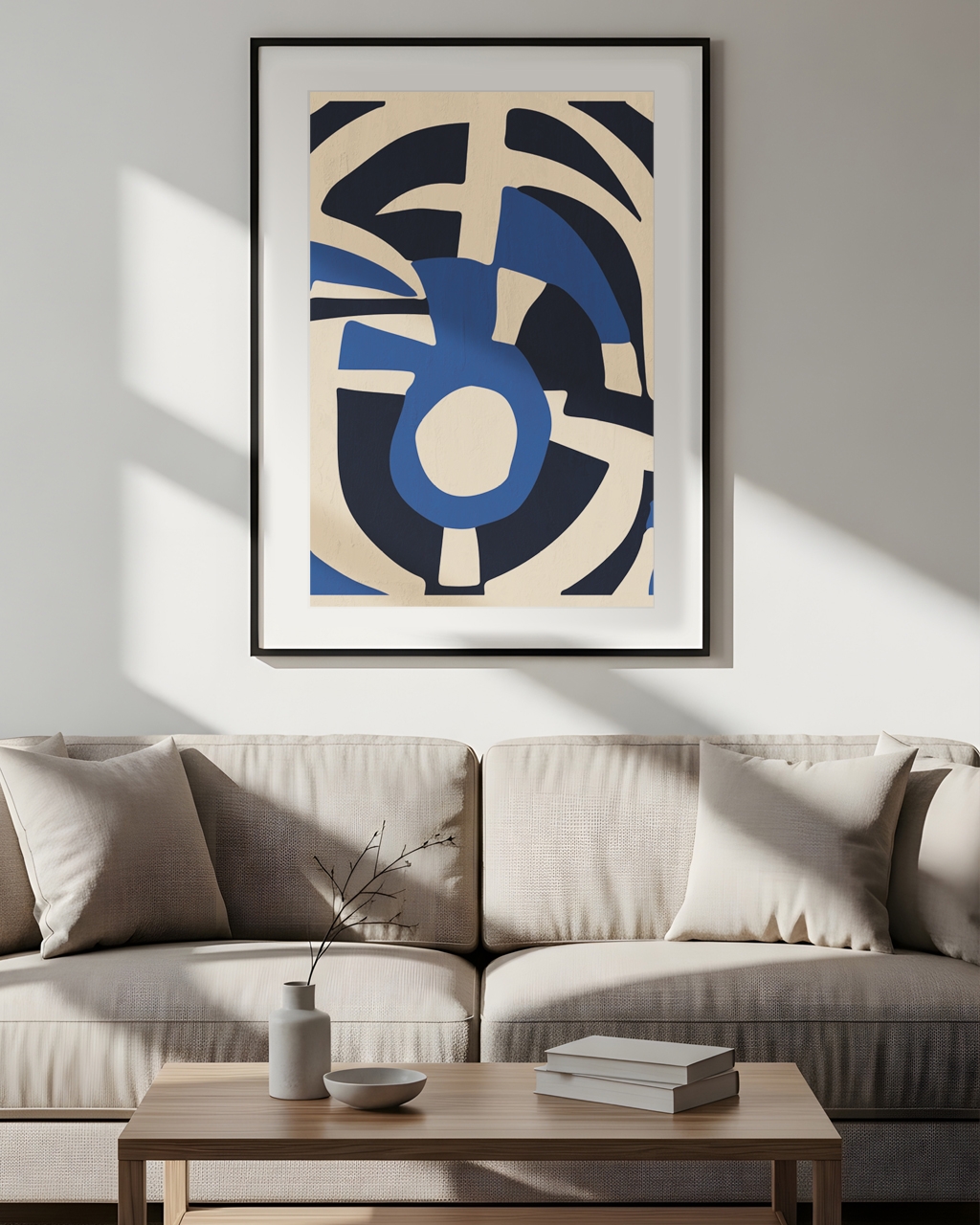
Warning: Do not rely on eye judgment alone for gallery walls. A few millimeters of tilt or uneven gaps become much more visible when several frames hang together.
Common mistakes to avoid:
- Hanging the frame too high above furniture.
- Forgetting to check the hanging hardware position on the back.
- Measuring from the top of the frame instead of the hanging point.
- Using the same gap for every wall without considering furniture size.
Best practices for choosing poster frames
Good framing is mostly restraint. Choose the size that fits, repeat materials with care, and let the poster and room share attention.
- Start with the wall, not the cart: Before choosing poster frames, measure the real space. A size that looks large on screen may be modest above a sofa.
- Keep the frame finish consistent in small rooms: One finish, repeated, helps a small bedroom, hallway or kitchen feel calm.
- Use black metal as a line, not as a default: A black metal frame is excellent for contrast, but too many black outlines can make a soft room feel busy.
- Let wood soften strong prints: A bold abstract poster can feel more at home in a wooden frame, especially near oak furniture or natural textiles.
- Check border style before ordering: A printed white border changes the final look. Edge-to-edge prints feel larger and more direct.
- Plan gallery walls as a group: Mix poster frame sizes before choosing finishes. The largest frame should usually anchor the arrangement.
- Use FSC information correctly: NordicPosterStore posters are printed on FSC-certified paper. FSC explains that certification relates to responsible forest management standards and chain-of-custody systems. The paper is certified, not NordicPosterStore as a company.
If you are starting from scratch, browse gallery wall inspiration to see how different sizes can work together across living rooms, bedrooms, kitchens and hallways.
Common mistakes to avoid
Most framing problems come from small assumptions. The poster is the right style, the room is nice, but one detail is off.
- Choosing the wrong size: Always match the frame to the poster size unless you are using a separate mount. Poster frame sizes should be checked in centimeters, not guessed from similar-looking formats.
- Ordering before measuring the wall: A 30x40 cm print can look generous on a shelf but small above a wide sofa.
- Mixing too many finishes: Wood, black metal, brass, white and dark wood can work in a whole home, but one wall usually needs fewer materials.
- Ignoring furniture tone: A frame in the Wood finish can look calm with pale wood, but may compete with very dark furniture.
- Forgetting the border: A white-bordered print and an edge-to-edge print do not feel the same in the same frame.
- Hanging too high: This is the most common placement issue. Keep framed posters connected to the furniture and the everyday sightline.
Troubleshooting is simple. If the frame feels too small, group it with another print. If the finish feels too strong, switch from black metal to wood. If the wall feels busy, reduce the number of frame finishes and choose prints with more white space.
Tools that help
NordicPosterStore is useful if you want the poster, size and frame decision in one place. We are an online poster shop from Gothenburg with 1000+ designs, chosen with a Nordic design eye, and optional wooden or black metal frames for our poster sizes.
Helpful tools and pages include:
- The poster collection: Browse all posters by style, room and mood.
- Gallery wall inspiration: See ready-made combinations at gallery wall inspiration.
- The gallery wall guide: Learn layout basics in how to create a gallery wall.
- Frame options on product pages: Choose a matching frame when available and, for wooden frames, decide between ready-to-hang and unassembled.
- Customer help pages: For current delivery or order questions, visit FAQ.
This article is published by NordicPosterStore, so our examples use our own sizes and product facts. It is not a ranking of stores. The goal is to help you choose the right frame for the print and the room.
Ready to choose posters and frames that fit?
NordicPosterStore makes the process simpler by pairing Scandinavian-inspired art prints with matching wooden and black metal frames in clear centimeter sizes. Choose the poster first, check the available size, then add the frame option that suits your wall, furniture and border style.
Frequently asked questions
How long does it take to choose poster frames?
For one poster, you can usually choose a frame in a few minutes if you know the poster size and where it will hang. A gallery wall takes longer because you need to balance several sizes, frame finishes and gaps. Measure first, choose the largest frame as the anchor, then add smaller prints around it.
What is the cost of choosing and framing posters?
The cost depends on the poster size, frame option and how many pieces you choose. Larger formats and ready-to-hang framing usually involve more material and handling than a small unframed print. NordicPosterStore shows current product and frame options on the product page, so check there before ordering rather than relying on a general estimate.
Can I choose poster frames without a tape measure?
You can, but it is much easier to make a good choice with one. A tape measure helps you compare the poster size with the wall, furniture and nearby objects. If you do not have one, mark the approximate frame size with paper or painter’s tape, but check the exact centimeters before ordering.
Should I choose wood or a black metal frame for oak furniture?
Wooden frames usually work well with oak furniture because they repeat the natural warmth of the room. The tones do not need to match exactly, but they should feel related. If the room already has several wood tones or darker oak, a black metal frame can be a cleaner choice because it adds definition without introducing another wood shade.
Do I need a passe-partout for a poster?
No, you do not need one. A passe-partout, or mount, is a card border between the print and the plexiglass front of the frame. Most NordicPosterStore designs already have a white border printed around the artwork, which gives a similar airy feeling. We do not sell passe-partouts, so choose one elsewhere only if you want that specific layered look.
Related Posters

Related Stories
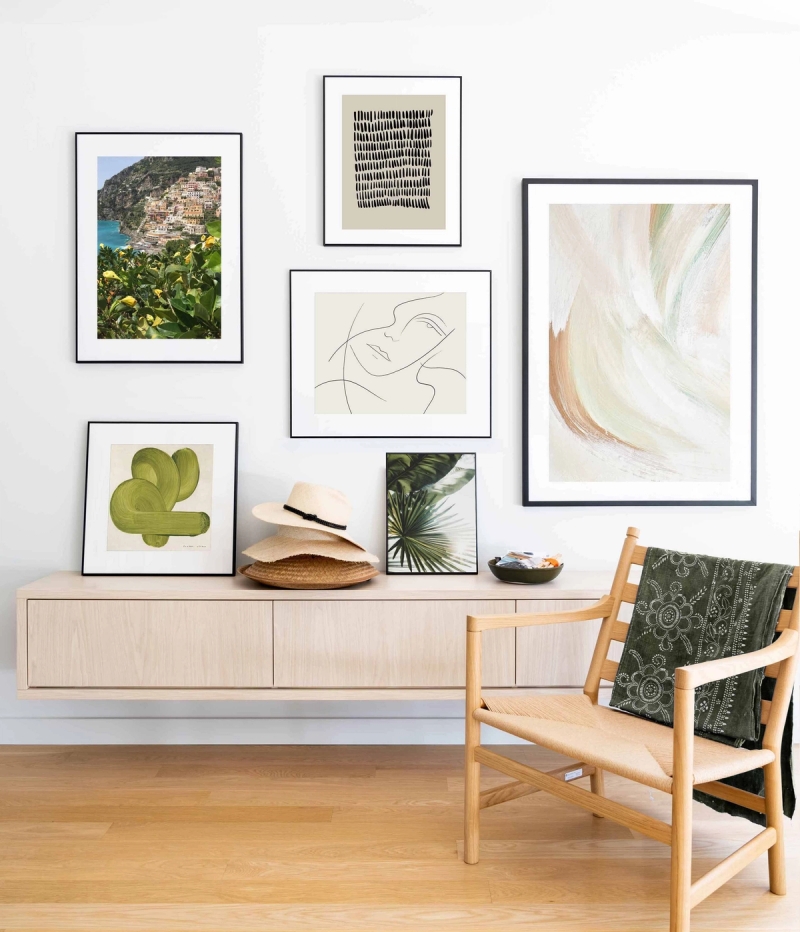
How to Create a Gallery Wall
There's something magical about a well-curated gallery wall. It transforms an empty space into a personal gallery, telling your story through carefully chosen art and photographs. Whether you're working with a spacious living room or a cozy hallway, creating a gallery wall is one of the most rewarding ways to make your home truly yours.
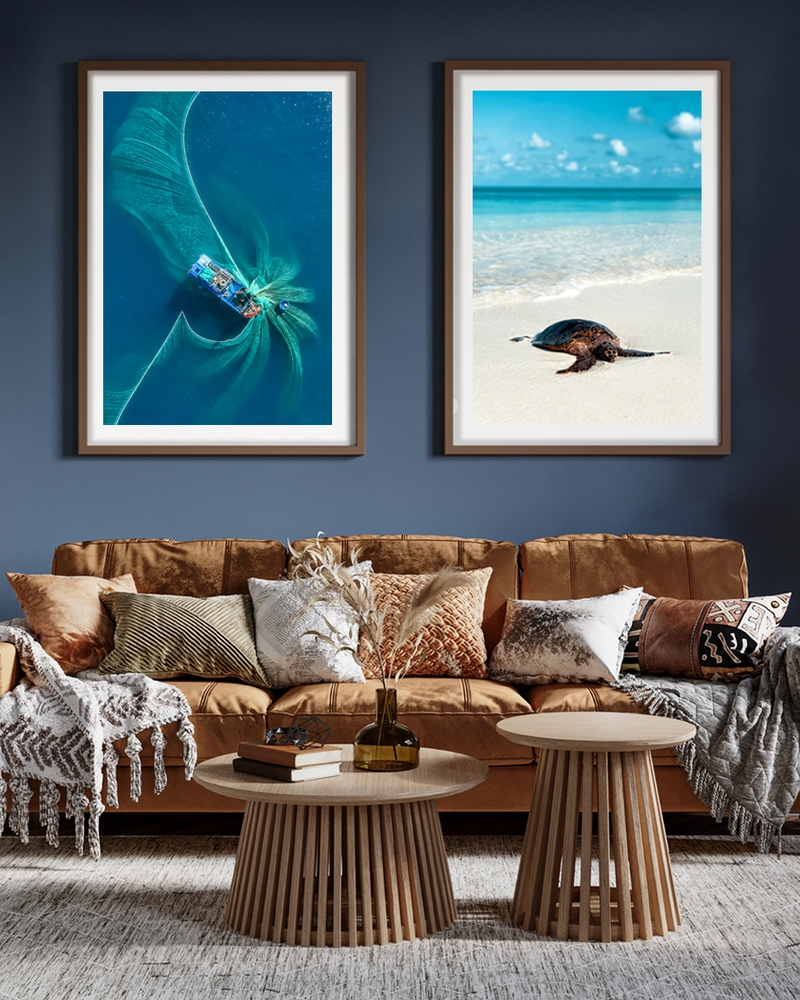
Posters for the living room — style tips & gallery ideas
Make your living room sing with posters: simple tips for size, placement and gallery walls that feel lived-in — not staged.
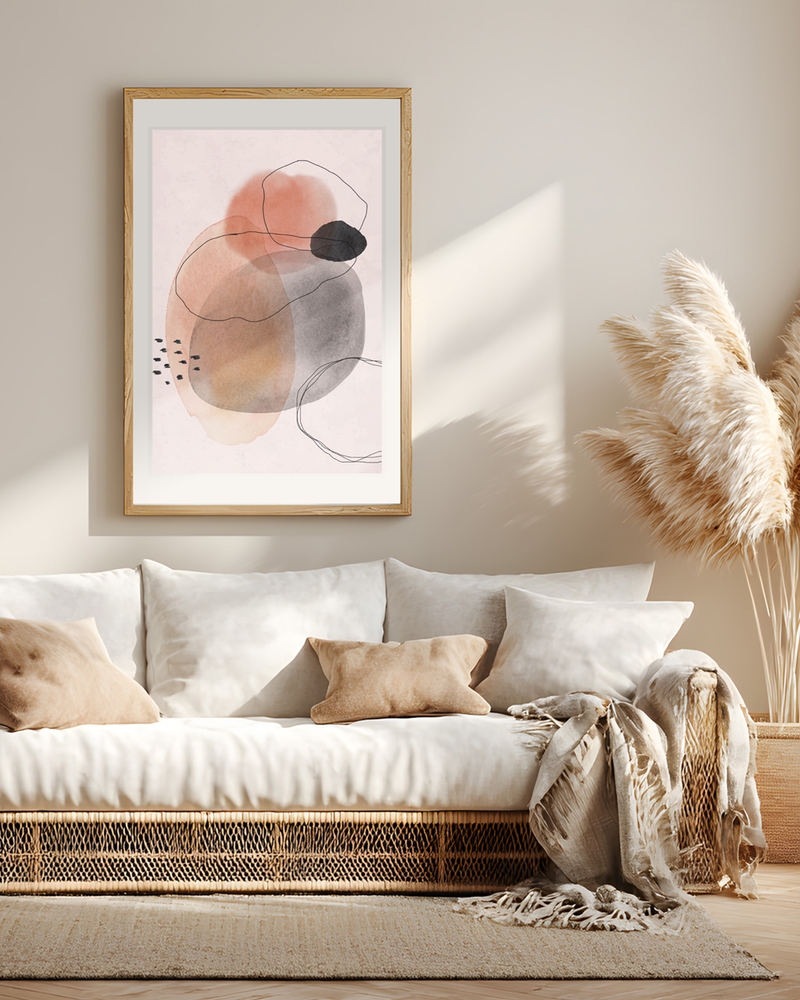
Abstract Wall Art: How to Choose and Style It
Colors, sizes, frames and hanging heights for abstract wall art, with room-by-room ideas for a calm Nordic wall or a bold one.

Kitchen Wall Art Guide: Art Prints & Ideas
The kitchen gets more footfall than any other room - yet its walls are often the most neglected. Here's how to fix that.